
The Anaphylaxis Verification Process in Victorian Schools: What Schools Must Know to Stay Compliant

Updating Your CPR Skills: Why Annual Refreshers Are Critical in Childcare and Education
The Anaphylaxis Verification Process in Victorian Schools: What Schools Must Know to Stay Compliant

Seizure Management in Schools and Disability Services: How to Respond Safely
The Anaphylaxis Verification Process in Victorian Schools: What Schools Must Know to Stay Compliant

Understanding Asthma Management Plans: What Every Educator Needs to Know
The Anaphylaxis Verification Process in Victorian Schools: What Schools Must Know to Stay Compliant

Why Schools Need More Than One First Aid Officer – Spreading the Responsibility
The Anaphylaxis Verification Process in Victorian Schools: What Schools Must Know to Stay Compliant

The Essential First Aid Skills Every Childcare Worker Should Know
The Anaphylaxis Verification Process in Victorian Schools: What Schools Must Know to Stay Compliant

Hands-On vs Lecture-Style Training: Why Practice Beats Talking Every Time
The Anaphylaxis Verification Process in Victorian Schools: What Schools Must Know to Stay Compliant

Getting It Right: The Correct Process for Anaphylaxis Verification in Victorian Schools
The Anaphylaxis Verification Process in Victorian Schools: What Schools Must Know to Stay Compliant
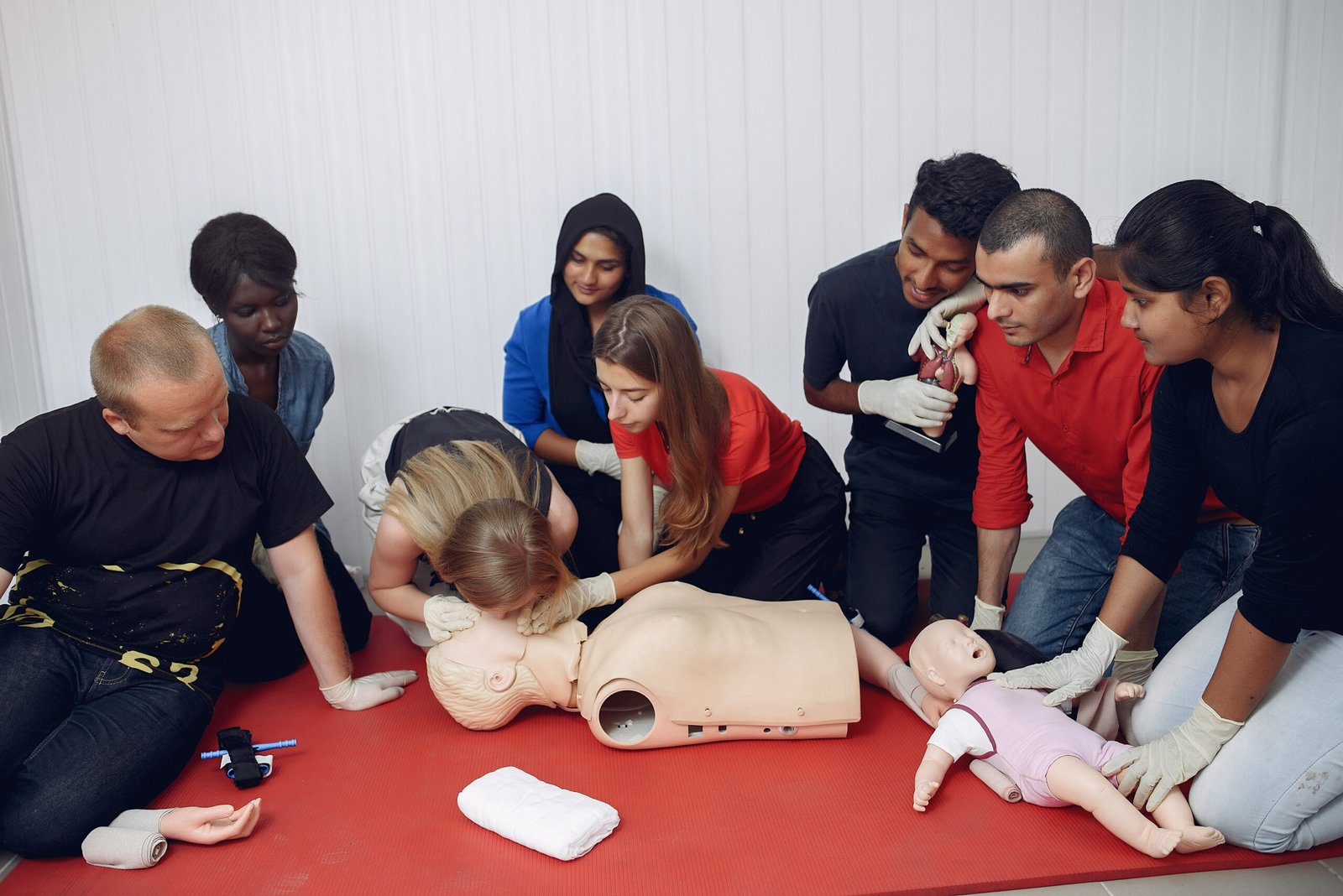
Compliance Training: Why Cutting Corners Could Cost Lives
Let’s talk about compliance training. No, not the “sit-through-a-video-and-sign-here” kind — we’re talking real, hands-on, life-saving, muscle-memory-building training. Too often, we speak with training organisers and participants who’ve completed their “mandatory” first aid or fire warden training, only to confess, “We didn’t even touch an EpiPen,” or “We just talked about using the defib — never tried it.” – “We watched a video on lifting, but never actually practiced.” That’s not training. That’s ticking a box. Why Hands-On Training Matters When emergencies hit — cardiac arrest, anaphylaxis, a workplace fire — you don’t rise to the occasion. You fall to your level of training. And if your training was mostly passive, theoretical, or rushed? That’s exactly what your team will rely on in crunch time. Let’s paint a picture: A worker collapses in cardiac arrest. Someone runs for the defibrillator. Another grabs an EpiPen — but fumbles, never having used one before. Panic sets in. A team member goes to lift a box awkwardly and throws out their back. The result? Lost time, lost chances, and in worst cases — lost lives. Let’s Get Serious: The Stats Don’t Lie Sudden cardiac arrest is a leading cause of death in Australia, with over 30,000 cases occurring out of hospital each year (Heart Foundation). Early defibrillation can increase survival rates by up to 70%. Anaphylaxis incidents have increased dramatically. In fact, hospital admissions for anaphylaxis have risen by 51% over the past decade (AIHW, 2021). Yet in many training sessions, participants never actually practice with a trainer EpiPen. And fire safety? Evacuation drills are often glossed over or never run at all — despite Safe Work Australia noting that 38% of businesses don’t practice emergency plans regularly. So Why Are Corners Being Cut? One word: cost. It’s easy for training providers to shave time and money by reducing practical components. Fewer manikins. No simulation scenarios. Limited trainer engagement. Shorter courses. And yes — it makes the invoice look more attractive. But what’s the real cost? Lost confidence: Staff feel unprepared in real emergencies. Higher liability: Businesses risk legal consequences if training was inadequate. Life and death: Let’s not sugar-coat it. Poor training can cost lives. What to Look for in a Provider Choosing a compliance training provider isn’t about who’s cheapest — it’s about who’s committed to doing it right. Here’s what you should demand: EpiPen trainers in every first aid or asthma/anaphylaxis course. Defibrillator use on manikins with realistic, scenario-based training. Evacuation drills as part of Fire Warden or emergency response sessions. Simulated environments that push staff to think and do under pressure. Engaged trainers who share real-world experience and challenge participants. Compliance to Australian Standards (like HLTAID011, PUAFER005, etc.). Don’t be afraid to ask: “Will my staff actually practice these skills, or just talk about them?” If the answer is vague or the course sounds suspiciously short — that’s your red flag. It’s Not Just Compliance. It’s Culture. When training is taken seriously, it builds a safety culture. Staff feel empowered. They’re not just meeting legal requirements — they’re ready to protect themselves and their teammates. And yes, hands-on training takes time, resources, and a well-trained trainer. But isn’t your team worth it? Our Promise At AB First Aid, we’re here for the real training. You’ll see defibs on chests. You’ll jab an EpiPen into a trainer. You’ll run mock evacuations like they count — because one day, they just might. We’re passionate (and maybe a little intense) about making sure when something goes wrong, your team can step up with confidence — not confusion. Because at the end of the day, compliance training shouldn’t be about a piece of paper. It should be about people. References: Australian Institute of Health and Welfare (AIHW). (2021). Allergic reactions and anaphylaxis. Heart Foundation. (2023). Cardiac arrest statistics in Australia. Safe Work Australia. (2022). Emergency plan and procedures in workplaces. Safe Work Australia. (2023). Work-related musculoskeletal disorders.

Your First Aid Kit – What Should Be in Your First Aid Kit? A Detailed Breakdown for Australian Schools & Workplaces
Having a well-stocked and tailored first aid kit is essential for managing emergencies effectively. It’s not just about having a kit; it’s about making sure it’s equipped with the right tools to address a wide range of potential situations. Whether you’re dealing with a small cut or a more serious injury, having the proper items in your first aid kit can make all the difference when it counts. Customizing Your First Aid Kit It’s important to tailor your first aid kit to fit specific activities or environments, ensuring it’s more effective when needed. Consider the following suggestions: For Outdoor Activities: Add items like insect sting relief, snake bite kits, and extra gauze for larger wounds. Additionally, ensure you have supplies that address potential outdoor hazards. For Vehicles: Having a first aid kit in your car is crucial for addressing injuries during travel. Essential items to include are adhesive bandages, antiseptic wipes, gloves, gauze, cold packs, scissors, and an EpiPen for allergic reactions. In addition, a thermometer and tweezers are handy to have on hand in case of emergencies. For Workplaces: Depending on the nature of the work, consider adding items such as eye wash, burn dressings, or specialized tools. This ensures you’re prepared for specific risks in the workplace. Burns & Antiseptics Burn Gel Sachets (3.5 g) – Qty 5Used to cool minor burns and scalds, reduce pain, and help prevent infection. A must-have in environments with hot surfaces or equipment. Antiseptic Spray (50 mL) – Qty 1Used to disinfect minor wounds, cuts, and grazes to reduce the risk of infection. Eye & Skin Care Eye Wash Ampoules (15 mL) – Qty 8Sterile saline solution for flushing out eyes exposed to dust, dirt, or chemicals. Can also be used to rinse small wounds. Alcohol-Free Cleansing Wipes – Qty 10Used to clean the skin before applying dressings or treating wounds. Alcohol-free formula reduces irritation, especially on broken skin. CPR & Emergency Protection CPR Face Shield – Qty 1A single-use barrier device that protects the first aider during mouth-to-mouth resuscitation, reducing risk of cross-contamination. Nitrile Gloves (Pair) – Qty 5Latex-free disposable gloves for hygienic wound care and protection when dealing with blood or other bodily fluids. Instant Ice Pack (80 g) – Qty 1Provides immediate cold therapy for soft tissue injuries, sprains, and swelling. Activates without refrigeration. Thermal Emergency Blanket – Qty 1Retains body heat and helps manage shock or exposure. Useful in emergencies where body temperature drops rapidly. General Supplies & Tools Notebook & Pen – Qty 1For recording incident details and first aid treatments. Important for legal documentation and workplace records. Amputated Parts Bags (Assorted Sizes) – Qty 3Sterile bags used to safely store and transport amputated body parts or biological materials for hospital transfer. Scissors (13 cm) – Qty 1Used to cut bandages, tape, clothing, or other materials during first aid procedures. Forceps (11 cm) – Qty 1Sterile tool for removing foreign objects like splinters or glass. Also used for handling sterile dressings without contamination. Splinter Probes (Single Use) – Qty 10Used to help locate and remove splinters or other embedded objects from the skin. Safety Pins – Qty 12Used to secure bandages, slings, or clothing in place after dressing a wound. First Aid Guidance CPR Flow Chart Card – Qty 1A quick-reference visual guide outlining the steps for performing CPR. Useful during high-pressure situations. First Aid Leaflet – Qty 1Basic instructions and information on common first aid procedures. Helpful for those with limited training or as a refresher. Regular Maintenance of Your First Aid Kit It’s important to regularly check your first aid kit and ensure it’s stocked with fresh supplies. Make sure all items are within their expiration dates and are in usable condition. Keep the kit in a cool, dry place to maintain the effectiveness of its contents. Staying Compliant and Prepared A First Aid Kit is only effective if it’s fully stocked, in-date, and regularly maintained. Australian workplaces and schools have a responsibility under WHS regulations to ensure first aid resources are accessible and appropriate to the risks present. We recommend: Checking your kit contents every 6 months Replacing expired or used items promptly Ensuring staff are trained in first aid and know where kits are located Need help managing your kits? Our team provides kit inspections, restocking services, and compliance audits tailored to your environment. Contact us today to schedule a free check or find out more about our tailored school safety programs. Call us 03 8364 8984 | Email us info@abfirstaid.com.au | abfirstaid.com.au Public Bookings