
Having a well-stocked and tailored first aid kit is essential for managing emergencies effectively. It’s not just about having a kit; it’s about making sure it’s equipped with the right tools to address a wide range of potential situations. Whether you’re dealing with a small cut or a more serious injury, having the proper items in your first aid kit can make all the difference when it counts. Customizing Your First Aid Kit It’s important to tailor your first aid kit to fit specific activities or environments, ensuring it’s more effective when needed. Consider the following suggestions: For Outdoor Activities: Add items like insect sting relief, snake bite kits, and extra gauze for larger wounds. Additionally, ensure you have supplies that address potential outdoor hazards. For Vehicles: Having a first aid kit in your car is crucial for addressing injuries during travel. Essential items to include are adhesive bandages, antiseptic wipes, gloves, gauze, cold packs, scissors, and an EpiPen for allergic reactions. In addition, a thermometer and tweezers are handy to have on hand in case of emergencies. For Workplaces: Depending on the nature of the work, consider adding items such as eye wash, burn dressings, or specialized tools. This ensures you’re prepared for specific risks in the workplace. Burns & Antiseptics Burn Gel Sachets (3.5 g) – Qty 5Used to cool minor burns and scalds, reduce pain, and help prevent infection. A must-have in environments with hot surfaces or equipment. Antiseptic Spray (50 mL) – Qty 1Used to disinfect minor wounds, cuts, and grazes to reduce the risk of infection. Eye & Skin Care Eye Wash Ampoules (15 mL) – Qty 8Sterile saline solution for flushing out eyes exposed to dust, dirt, or chemicals. Can also be used to rinse small wounds. Alcohol-Free Cleansing Wipes – Qty 10Used to clean the skin before applying dressings or treating wounds. Alcohol-free formula reduces irritation, especially on broken skin. CPR & Emergency Protection CPR Face Shield – Qty 1A single-use barrier device that protects the first aider during mouth-to-mouth resuscitation, reducing risk of cross-contamination. Nitrile Gloves (Pair) – Qty 5Latex-free disposable gloves for hygienic wound care and protection when dealing with blood or other bodily fluids. Instant Ice Pack (80 g) – Qty 1Provides immediate cold therapy for soft tissue injuries, sprains, and swelling. Activates without refrigeration. Thermal Emergency Blanket – Qty 1Retains body heat and helps manage shock or exposure. Useful in emergencies where body temperature drops rapidly. General Supplies & Tools Notebook & Pen – Qty 1For recording incident details and first aid treatments. Important for legal documentation and workplace records. Amputated Parts Bags (Assorted Sizes) – Qty 3Sterile bags used to safely store and transport amputated body parts or biological materials for hospital transfer. Scissors (13 cm) – Qty 1Used to cut bandages, tape, clothing, or other materials during first aid procedures. Forceps (11 cm) – Qty 1Sterile tool for removing foreign objects like splinters or glass. Also used for handling sterile dressings without contamination. Splinter Probes (Single Use) – Qty 10Used to help locate and remove splinters or other embedded objects from the skin. Safety Pins – Qty 12Used to secure bandages, slings, or clothing in place after dressing a wound. First Aid Guidance CPR Flow Chart Card – Qty 1A quick-reference visual guide outlining the steps for performing CPR. Useful during high-pressure situations. First Aid Leaflet – Qty 1Basic instructions and information on common first aid procedures. Helpful for those with limited training or as a refresher. Regular Maintenance of Your First Aid Kit It’s important to regularly check your first aid kit and ensure it’s stocked with fresh supplies. Make sure all items are within their expiration dates and are in usable condition. Keep the kit in a cool, dry place to maintain the effectiveness of its contents. Staying Compliant and Prepared A First Aid Kit is only effective if it’s fully stocked, in-date, and regularly maintained. Australian workplaces and schools have a responsibility under WHS regulations to ensure first aid resources are accessible and appropriate to the risks present. We recommend: Checking your kit contents every 6 months Replacing expired or used items promptly Ensuring staff are trained in first aid and know where kits are located Need help managing your kits? Our team provides kit inspections, restocking services, and compliance audits tailored to your environment. Contact us today to schedule a free check or find out more about our tailored school safety programs. Call us 03 8364 8984 | Email us info@abfirstaid.com.au | abfirstaid.com.au Public Bookings
Why Every School Should Have a Defibrillator (AED) – And How to Manage It Properly
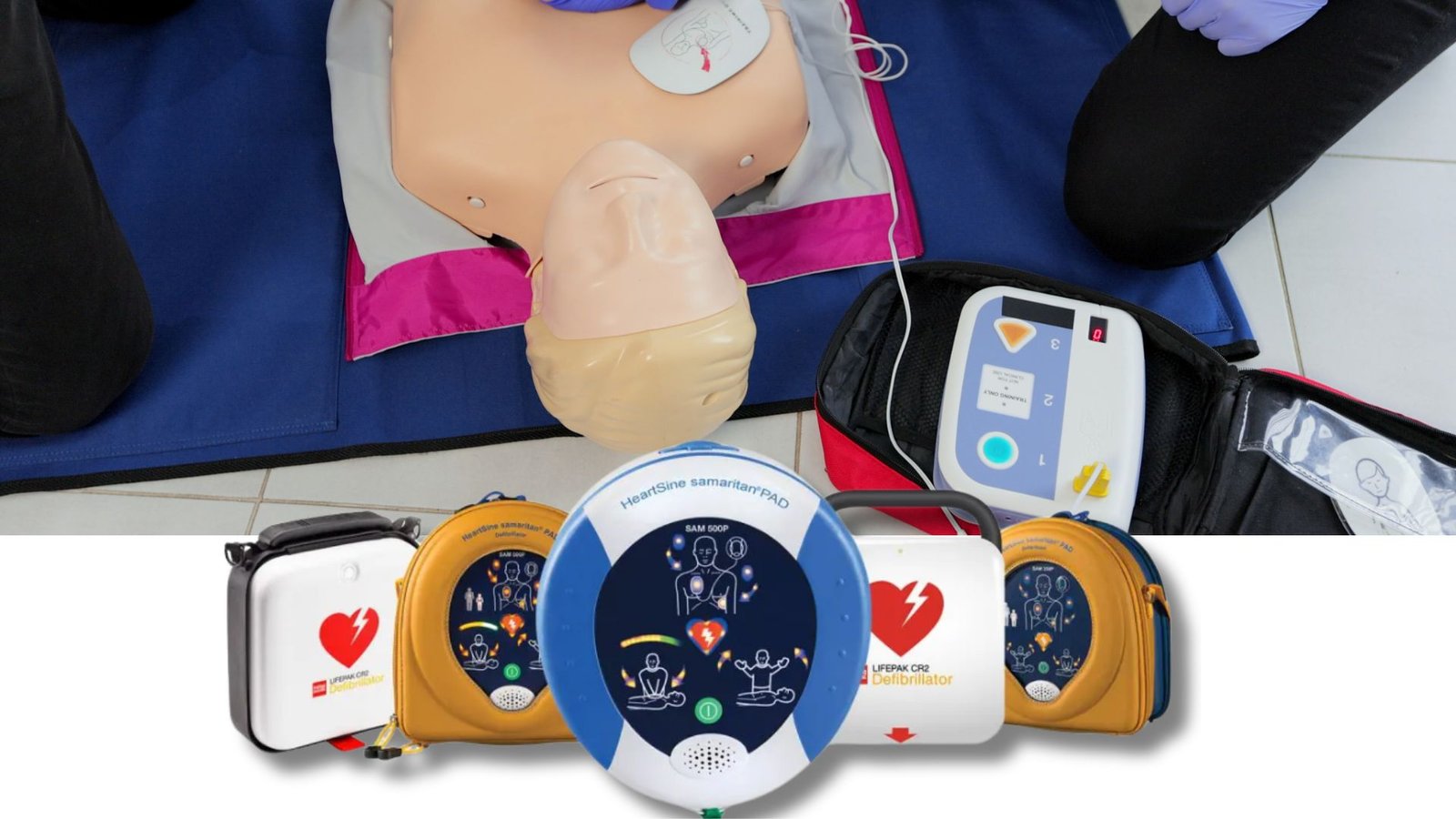
When it comes to protecting the health and safety of students, staff, and visitors, schools must be prepared for every type of emergency – including sudden cardiac arrest (SCA). Having an Automated External Defibrillator (AED), commonly referred to as a defib, on school grounds is a simple but critical step in saving lives. Why Defibrillators Are Essential in Schools Sudden cardiac arrest can happen to anyone, at any time – regardless of age, fitness, or medical history. While it’s more common in older adults, cases involving young people, including those with undiagnosed heart conditions, do occur. An AED is a life-saving device that delivers an electric shock to help the heart return to a normal rhythm during cardiac arrest. When used within the first few minutes, survival rates can increase by up to 70%. Without early defibrillation, the chance of survival drops by 10% every minute. Given the size of many school campuses and the number of students and staff present daily, having quick and easy access to a defib can truly be the difference between life and death. Where Should a Defib Be Located in a School? In Victoria, there are currently no legal mandates requiring all schools to have a defib. However, both WorkSafe Victoria and The Department of Education and Training strongly encourage schools to install and maintain AEDs as part of their health and safety policies. Best practice is to: Place the defib in a central, accessible location – such as the school office, staffroom, gym, or near the first aid room. Ensure it is clearly signed and not locked away. Avoid placing it behind multiple doors or inside cupboards that may be locked after hours. Consider having multiple units in large or multi-building campuses, especially where sports or high-risk activities occur. 💡 Tip: AEDs should be accessible within 3 minutes of any location on campus. How Often Should a Defib Be Checked? While most AEDs conduct internal self-checks, this doesn’t eliminate the need for regular manual inspections. At AB First Aid, we recommend – and follow – the Department of Education’s guidelines and manufacturer recommendations: Visual inspection: Monthly Check battery level indicators Ensure pads are in date and sealed Confirm the device is clean, intact, and has not been tampered with Make sure signage is visible and location is known Full check & log/report: Annually Conducted by a trained first aid provider or health and safety officer Battery and pad expiry dates documented Replace expired or near-expiry components Ensure the AED is registered with Ambulance Victoria’s GoodSAM network (if applicable) “Just like a fire extinguisher, a defib only helps if it’s ready to go in an emergency. That means checking it regularly, knowing where it is, and making sure everyone feels confident using it.” Victorian Guidelines and Recommendations Department of Education and Training Victoria: School Policy Advisory Guide – First Aid WorkSafe Victoria: First Aid in the Workplace Code of Practice Ambulance Victoria: Registering your AED with GoodSAM We Make It Easy for Schools At AB First Aid, we offer FREE AED inspections for our partnered schools as part of our ongoing commitment to keeping your staff and students safe. Thorough defib check and report Reminders for pad/battery expiry Optional restock of First Aid kits Training staff in CPR and AED use Easy booking for ongoing support Whether you already have defibs on campus or are looking to get started, we’re here to help every step of the way. Ready to Make Your School Safer? Contact us today to schedule a free defib check or find out more about our tailored school safety programs. Call us 03 8364 8984 | Email us info@abfirstaid.com.au | abfirstaid.com.au
Choosing the Right Defibrillator
Choosing the Right Defibrillator is crucial for your team’s safety and well-being. Sudden cardiac arrest can happen anytime, without warning. Having the right defib on-site can save lives. This guide covers workplace defibrillator types, top models, and comparisons to help you decide. Types of Defibrillators for Workplace Use Automated External Defibrillators (AEDs): Designed for use by individuals with minimal training, AEDs are portable devices that analyze heart rhythms and deliver a shock if necessary. They provide voice and visual prompts to guide users through the process, making them ideal for public spaces and workplaces. Manual External Defibrillators: These require operation by trained healthcare professionals. They allow the user to interpret the patient’s heart rhythm and manually set the energy level and timing of the shock. These are typically found in hospitals and advanced medical settings. Implantable Cardioverter-Defibrillators (ICDs): These are surgically implanted devices that continuously monitor heart rhythms and automatically deliver shocks when life-threatening arrhythmias are detected. ICDs are not typically relevant for general workplace settings. Top AED Models for Workplace Use Here are some of the leading AED models suitable for workplace environments: LIFEPAK CR2 AED Features a simple interface with both English and Spanish prompts, Wi-Fi connectivity for maintenance tracking, and continuous CPR monitoring. Philips HeartStart OnSite AEDKnown for its easy setup and clear voice instructions, it also offers a quick shock delivery and daily self-tests to ensure readiness. Cardiac Science Powerheart G5 AEDOffers variable escalating energy, fast shock times, and bilingual voice prompts. Defibtech Lifeline AEDFeatures a bright, easily visible design, clear voice prompts, and long-life battery options. HeartSine Samaritan PAD 350P/360P AEDCompact and lightweight, this AED is known for its durability and easy-to-follow visual and voice instructions. It also features a single-use Pad-Pak combining battery and electrodes for simplified maintenance. Comparison of Top AED Models Situational Considerations When selecting a defibrillator for your workplace, consider the following factors: Workforce Size and Training: Larger workplaces may benefit from AEDs with real-time CPR feedback to assist trained and untrained responders. Environment: For industrial settings, choose AEDs with rugged designs to withstand harsh conditions. Maintenance: AEDs with self-testing and connectivity features can simplify maintenance and ensure the device is always ready for use. Language Needs: If your workplace is multilingual, consider AEDs with bilingual voice prompts. Conclusion Investing in the right defibrillator is a vital step in safeguarding your employees’ health and ensuring a prompt response to cardiac emergencies. By understanding the types of defibrillators available and considering your workplace’s specific needs, you can select a device that offers the best combination of features, reliability, and ease of use. Regular training and maintenance are also essential to maximize the effectiveness of your defibrillator program. Why do you think Choosing the Right Defibrillator is important? Leave your thoughts below.
How to Respond to a Stroke: The Critical First Minutes
A stroke can happen suddenly, and the first few minutes are crucial to minimizing brain damage. Knowing the signs and symptoms of a stroke and how to act quickly can make all the difference. At AB First Aid Training, we provide stroke-specific training to ensure that you are equipped to handle this life-threatening emergency. Recognizing the Symptoms of a Stroke Sudden numbness or weakness in the face, arm, or leg, particularly on one side of the body. Difficulty speaking or understanding speech. Sudden confusion, dizziness, or loss of coordination. Acting Fast: The F.A.S.T. Method Face: Ask the person to smile. Does one side of the face droop? Arms: Ask the person to raise both arms. Does one arm drift downward? Speech: Ask the person to repeat a simple sentence. Is their speech slurred or strange? Time: If you notice any of these signs, call 000 immediately. What to Do While Waiting for Help Keep the person calm and comfortable. Do not give them food, water, or medication. Monitor their condition until emergency services arrive. Conclusion Are you ready to act in the event of a stroke? AB First Aid Training ensures you are well-prepared to identify the signs of a stroke and respond promptly.Sign up for training or call 03 8364 8984 for more information. Questions for Reflection: How familiar are you with the signs of a stroke? Do you know how to use the F.A.S.T. method in an emergency? Sources Stroke Foundation: Recognizing a Stroke Australian Heart Foundation: Stroke First Aid

The Importance of First Aid in the Workplace: Protecting Employees and Reducing Risks
Workplace injuries are an unfortunate reality, but proper first aid training can significantly reduce the risks and ensure the safety and well-being of employees. Whether it’s a small burn, a slip, or a more serious injury, having the right first aid skills on hand can prevent further harm and even save lives. AB First Aid Training offers workplace-focused courses designed to provide employees with the skills they need to act confidently during emergencies. Common Workplace Injuries Slips, trips, and falls. Burns, cuts, and abrasions. Sprains, strains, and fractures. Why Every Workplace Needs First Aid Training Quick response to injuries minimizes potential complications. First aid skills can improve employee morale and productivity. Legal requirements for first aid provision in workplaces. Creating a Workplace First Aid Kit Stock up on essential items, such as bandages, dressings, antiseptic wipes, and scissors. Regularly check the kit to ensure it’s complete and up-to-date. Designating First Aid Officers Designate employees as trained first aid officers who are responsible for maintaining first aid supplies and providing assistance when needed. Conclusion Are you ready to ensure your workplace is safe and well-prepared for emergencies? AB First Aid Training provides workplace-first aid courses that can reduce risks and improve safety.Book a course now or call 03 8364 8984 for more information. Questions for Reflection: Does your workplace have a first aid officer? How confident are you in responding to common workplace injuries? Sources Safe Work Australia: Workplace First Aid Requirements WorkSafe Victoria: First Aid in the Workplace

Dealing with Allergic Reactions: Essential First Aid Steps
Allergic reactions can range from mild rashes to life-threatening anaphylaxis. Understanding how to respond appropriately to an allergic reaction could save someone’s life. At AB First Aid Training, we teach you the signs of an allergic reaction and the correct steps to take, whether it’s a mild reaction or anaphylaxis. Signs of an Allergic Reaction Welling, particularly around the face, mouth, and eyes. Difficulty breathing, wheezing, or tightness in the chest. Skin reactions like hives, itching, or redness. Mild vs. Severe Allergic Reactions Mild reactions may include itching, rashes, or a runny nose. Severe reactions can lead to anaphylaxis, characterized by swelling of the throat, difficulty breathing, and a drop in blood pressure. Responding to Anaphylaxis Administer an epinephrine injection (EpiPen) immediately if available. Call 000 for emergency assistance. Monitor the person’s condition until help arrives. Prevention and Safety Measures Encourage people with known allergies to carry an EpiPen at all times. Ensure that those around them are aware of their allergies and know how to respond in case of an emergency. Conclusion Are you prepared to handle an allergic reaction? AB First Aid Training equips you with the necessary knowledge and skills to respond quickly and effectively to allergic emergencies.Sign up now or call us at 03 8364 8984 for more details. Questions for Reflection: Have you or someone you know had an allergic reaction? How did you handle it? How familiar are you with using an EpiPen? Sources Australian Society of Clinical Immunology and Allergy: Anaphylaxis Action Plan Health Direct: Managing Allergies

First Aid for Cuts and Wounds: What You Need to Know
In everyday life, minor cuts and wounds are inevitable, but how you treat them can make a significant difference in healing time and infection prevention. Whether it’s a small paper cut or a deeper laceration, knowing the proper first aid steps can ensure a quick and effective recovery. At AB First Aid Training, we provide comprehensive training that covers all types of injuries, from basic to more severe. Steps for Treating Minor Cuts and Scrape Clean the wound with mild soap and water. Apply an antiseptic to prevent infection. Cover with a sterile bandage or dressing. How to Handle Deep Wounds and Lacerations Apply direct pressure to stop bleeding. If bleeding is severe, elevate the injured area above the heart level. Seek professional medical attention for deep or large cuts. Recognizing Infection Symptoms Redness, swelling, or increased pain at the wound site. Pus or drainage from the wound. Fever or chills. Conclusion How well do you know how to treat cuts and wounds? With AB First Aid Training, you’ll gain the confidence to treat injuries and prevent complications.Enroll in a course or call us at 03 8364 8984 for expert advice. Questions for Reflection: Have you ever had to treat a cut or wound? How did you handle it? Do you feel confident in your ability to prevent infections from wounds? Sources Health Direct: Treating Cuts and Scrapes Better Health Channel: First Aid for Cuts
How to recognise and respond to a heart attack: A Lifesaving Skill
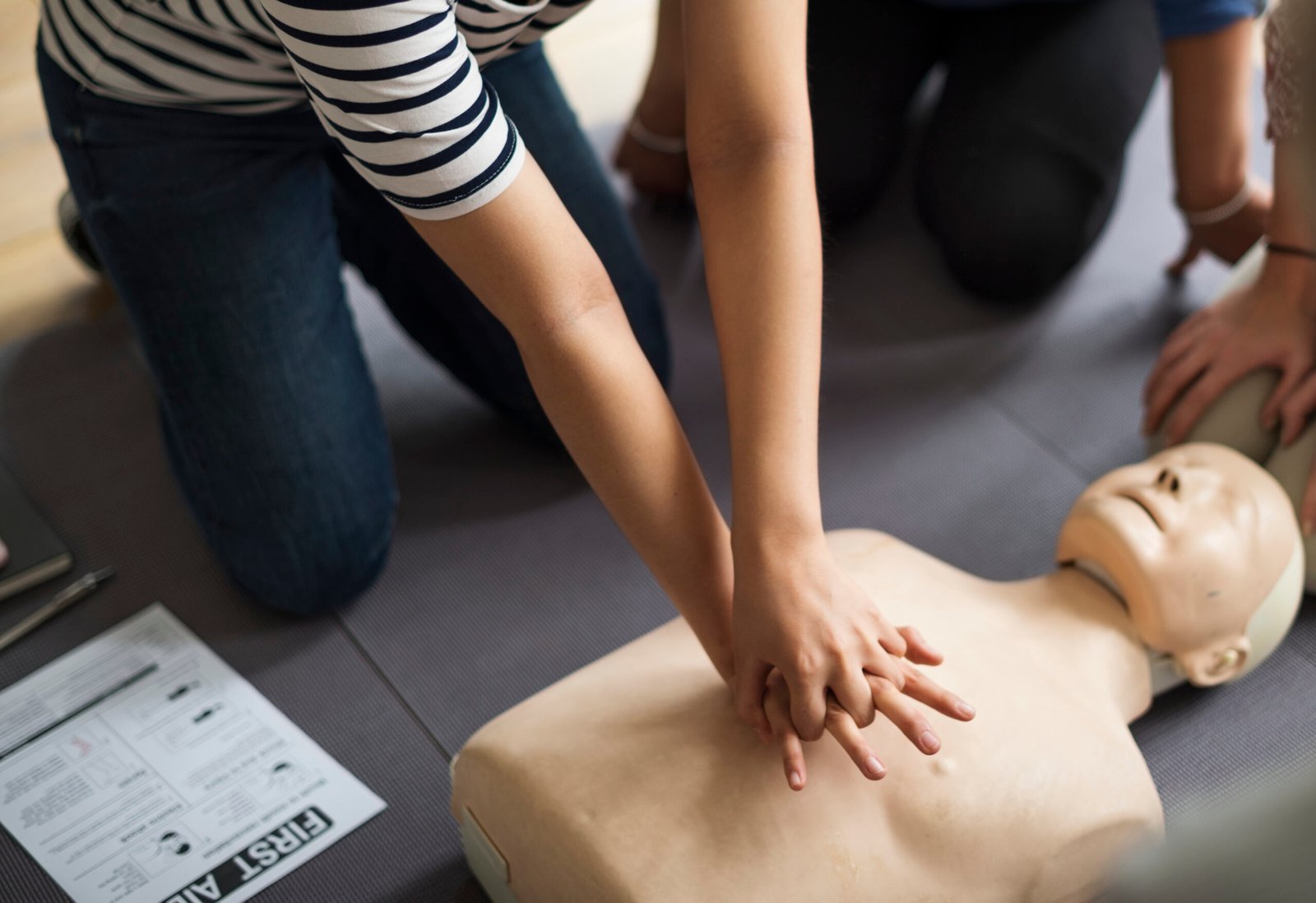
Heart attacks can strike unexpectedly and knowing how to respond promptly could save a life. In Australia, heart disease is one of the leading causes of death, and early intervention can drastically improve the chances of survival. AB First Aid Training offers practical, hands-on courses to equip you with the skills to act quickly during a heart attack. 1. Recognizing the Symptoms of a Heart Attack Pain or discomfort in the chest, often described as a tightness or pressure. Pain radiating to the arms, neck, jaw, back, or stomach. Shortness of breath, dizziness, nausea, or sweating. 2. Immediate Response Call 000 and request an ambulance immediately. Encourage the victim to chew and swallow aspirin if they are not allergic, as it can help to thin the blood. If the victim becomes unconscious and is not breathing, perform CPR until professional help arrives. 3. CPR and Defibrillation Knowing how to perform CPR and using an Automated External Defibrillator (AED) is crucial in heart attack situations. Regular practice can make the difference between life and death. Conclusion Are you prepared to help someone suffering from a heart attack? Join AB First Aid Training today and gain the skills you need to respond confidently and effectively.Book a course now or call us at 03 8364 8984 for more information. Questions for Reflection: Can you identify the symptoms of a heart attack? Do you know how to use an AED in an emergency? Sources Heart Foundation: Heart Attack Signs and First Aid St John Ambulance Australia: Heart Attack First Aid
How First Aid Saves Lives in Roadside Emergencies
Car accidents are one of the most common emergencies on Australian roads. Being prepared to step in and assist could be the difference between life and death. At AB First Aid Training, we teach essential roadside first aid skills to ensure you can help accident victims effectively and safely. 1. Staying Calm and Assessing the Scene When approaching a car crash, it’s important to remain calm and survey the scene for hazards like leaking fuel, broken glass, or oncoming traffic. Your safety as a responder comes first. 2. Assessing the Victim’s Condition Breathing and Consciousness: Ensure the victim’s airway is clear. If they’re unconscious but breathing, place them in the recovery position. Stopping Bleeding: Apply direct pressure to any visible wounds to reduce blood loss. Stabilizing Injuries: Avoid moving the victim unless they’re in immediate danger, as this could worsen spinal injuries. 3. Administering CPR if Needed If the victim is not breathing, initiate CPR immediately. Knowing the correct technique can save lives, especially in the critical minutes before emergency services arrive. 4. Calling for Help Contact rescue and provide clear, concise information about the location and severity of the accident. Stay on the line for further instructions. Conclusion Would you know how to respond in a roadside emergency? Don’t leave it to chance—learn life-saving skills with AB First Aid Training. With hands-on practice and expert guidance, you’ll be ready to assist when it matters most.Enroll in a course now or call 03 8364 8984. Questions for Reflection: Have you ever witnessed a roadside accident? What role did you play? How confident are you in administering CPR or wound care during a car crash? Sources TAC Victoria: Road Safety Statistics and First Aid Tips St John Ambulance Australia: First Aid for Road Accidents
5 Common First Aid Mistakes You Might Be Making (And How to Avoid Them)
You’re in an emergency situation, adrenaline is pumping, and your instincts kick in. But what if your actions unintentionally make things worse? Many people want to help during a crisis but unknowingly commit common first aid mistakes. These mistakes, while minor, could have serious consequences for the injured person. At AB First Aid Training, we emphasize proper techniques to empower you to respond confidently in emergencies. 1. Misusing a Tourniquet A tourniquet should only be used in life-threatening bleeding where other methods have failed. Misuse can result in permanent damage to limbs. Instead, focus on direct pressure or an appropriate dressing for most cuts. 2. Tilting the Head Back During a Nosebleed Tilting the head backward can cause blood to flow into the throat, leading to choking or nausea. Instead, lean the person slightly forward and pinch the nostrils shut. 3. Failing to Check for Dangers Before Assisting Before rushing to help, ensure the environment is safe for both you and the victim. For example, avoid touching someone electrocuted until the power source is turned off. 4. Incorrect CPR Technique Performing CPR with incorrect hand placement or timing reduces its effectiveness. Regular practice is key to staying prepared. 5. Forgetting to Call Emergency Services While administering first aid is crucial, many forget the importance of professional medical help. Always call 000 for guidance in serious situations. Conclusion First aid skills are invaluable for every parent. From treating minor injuries to managing life-threatening emergencies, the knowledge you gain could one day save your child’s life. Questions for Reflection: Have you ever been in a situation where first aid was needed? How did you respond? What first aid mistake have you made or seen others make that could have been avoided? Sources Australian Red Cross: Common First Aid Myths Health Direct: First Aid Tips and Guidelines