
In the world of swimming, focusing on mental health and wellbeing is as crucial as physical safety. In this blog post, we’ll explore the importance of addressing mental health and wellbeing in Australian swim lessons. We’ll provide strategies for supporting both students and staff, ensuring a positive and nurturing learning environment. At AB First Aid Training, we believe in promoting holistic well-being, and our courses offer valuable insights into this critical aspect of safety and growth. To find out more, visit our website AB First Aid Training or call us at 03 8364 8984. Mental Health and Wellbeing in Swim Lessons: Open Communication: Create a culture of open communication where students feel comfortable discussing their feelings and concerns. Recognize Signs: Educate swim instructors on recognizing signs of stress, anxiety, or other mental health issues in students. Encourage Relaxation: Incorporate relaxation techniques into lessons to help students manage anxiety and stress. Positive Reinforcement: Provide positive reinforcement and support to boost students’ self-esteem and confidence. Balanced Expectations: Set achievable goals and avoid putting unnecessary pressure on students. Peer Support: Encourage peer support within the group, fostering a sense of community. Strategies for Swim Instructors: Self-Care: Swim instructors should practice self-care to manage their own mental health, setting an example for students. Training and Education: Invest in training to equip instructors with the skills to recognize and address mental health concerns. Referral Resources: Be aware of mental health support resources in your community and know how to make referrals when needed. Create a Safe Space: Ensure that your swim school is a safe and welcoming space where students and staff can express their emotions and seek help without judgment. Mental Health Policies: Develop clear mental health policies for your swim school, including protocols for addressing mental health concerns. Conclusion: Prioritizing mental health and wellbeing in Australian swim lessons is essential for creating a positive and nurturing learning environment. At AB First Aid Training, we understand that safety encompasses not only physical safety but also emotional well-being. Let’s work together to support our students and staff on their journey to becoming confident and happy swimmers. Questions for Reflection: What strategies do you use to create a supportive and nurturing learning environment for your students in swim lessons? Have you ever encountered a situation where addressing a student’s mental health concerns made a significant difference in their swimming progress and overall well-being? How can swim instructors take care of their own mental health while supporting their students? Sources: Mental Health Support – Beyond Blue Mental Health Resources for Young People – headspace AB First Aid Training Courses Contact us at AB First Aid Training: 03 8364 8984
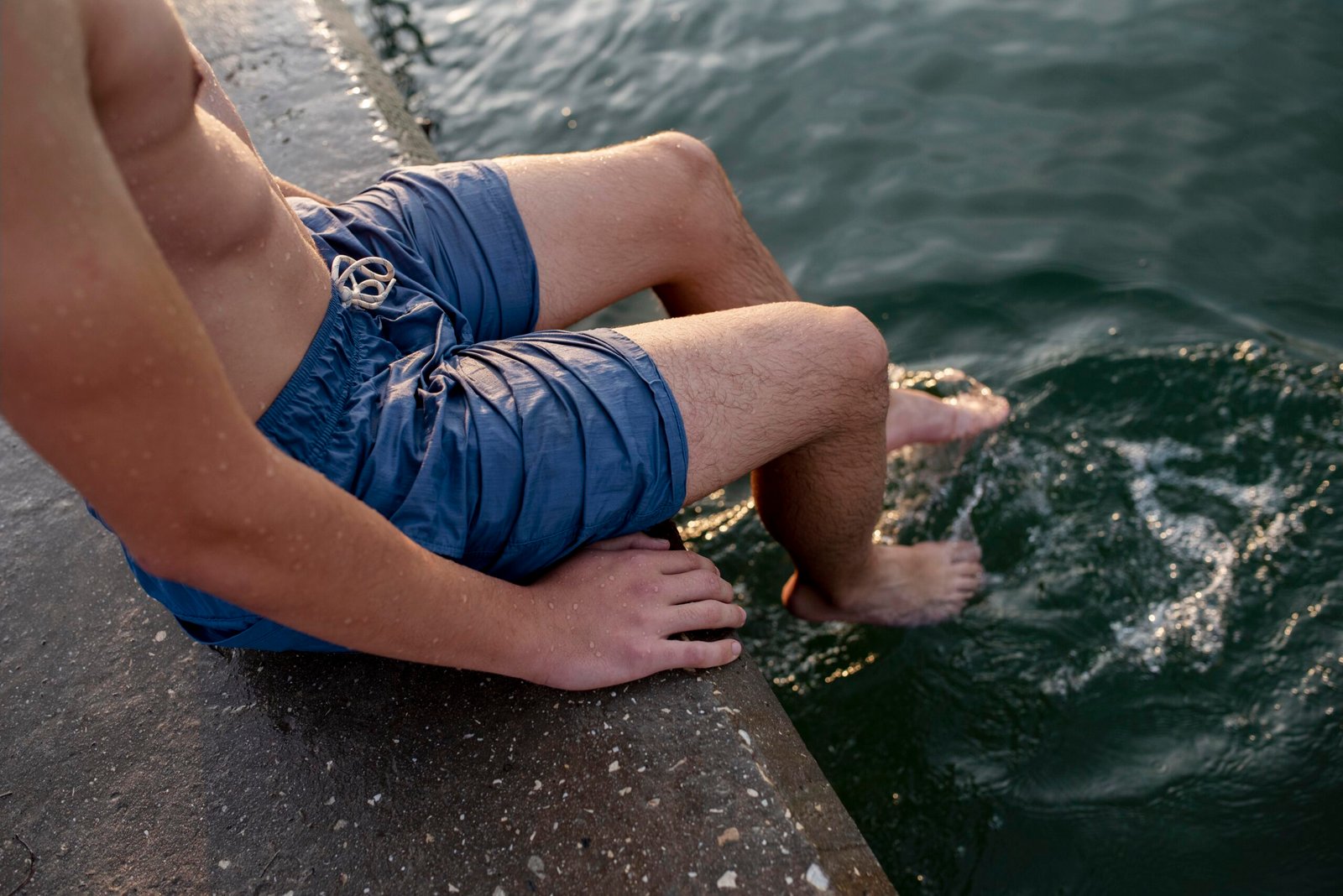
Managing Waterborne Illnesses in Australian Swim Lessons: Tips and Strategies for Swim Teachers
Safety in Australian swim lessons doesn’t stop at preventing physical injuries; it also involves protecting students from waterborne illnesses. In this blog post, we’ll delve into the importance of managing waterborne illnesses in Australian swim lessons and provide tips and strategies for swim teachers to keep their students healthy and safe. AB First Aid Training is dedicated to promoting safety, including the prevention of waterborne illnesses. To explore how our courses can help swim instructors and students, visit our website AB First Aid Training or call us at 03 8364 8984. Managing Waterborne Illnesses in Swim Lessons: Pool Sanitation: Ensure that the pool where you conduct lessons is regularly treated and maintained for optimal water quality. Proper Chlorine Levels: Monitor and maintain appropriate chlorine levels to disinfect the water effectively. Filtration Systems: Ensure that the pool’s filtration systems are in good working order to remove contaminants. Hygiene Education: Teach students about the importance of showering before entering the pool and not urinating in the water. Diarrhea Response: In the event of a diarrhea incident in the pool, follow strict protocols to ensure proper cleaning and disinfection. Swim Diapers: Encourage parents to put young children in swim diapers to prevent accidents in the pool. Strategies for Swim Teachers: Health Screenings: Before lessons, conduct health screenings to check for symptoms of illness and exclude sick students to prevent the spread of infection. Teach Good Hygiene: Promote good hand hygiene, such as washing hands after using the restroom and before meals. Emergency Response: In case of a waterborne illness outbreak, have a clear response plan in place, including communication with parents and health authorities. Water Quality Checks: Educate yourself on the importance of regularly checking water quality and being aware of potential issues. Pool Closure Procedures: Know the steps to close and clean the pool in case of contamination and understand when it is safe to reopen. Conclusion: Managing waterborne illnesses in Australian swim lessons is vital for ensuring the health and safety of all participants. As swim teachers, it’s our responsibility to create a hygienic and secure learning environment. At AB First Aid Training, we provide courses that empower instructors with the knowledge needed to address various aspects of safety in aquatic settings. Let’s work together to make every swim lesson a healthy and enjoyable experience. Questions for Reflection: What measures do you take as a swim teacher to ensure waterborne illness prevention in your lessons? Have you ever encountered an instance of waterborne illness in your swimming classes, and how was it managed? How do you communicate with parents and students about the importance of hygiene in the pool? Sources: Healthy Swimming – Centers for Disease Control and Prevention (CDC) Guidelines for Pool Water Quality – Department of Health and Human Services, Victoria AB First Aid Training Courses Contact us at AB First Aid Training: 03 8364 8984

Teaching Sun Safety in Australian Swim Lessons: Tips for Preventing Skin Cancer and Staying Safe in the Sun
Australia’s abundant sunshine is one of the country’s defining features, making sun safety a top priority, even during swim lessons. In this blog post, we’ll discuss the importance of teaching sun safety in Australian swim lessons and provide valuable tips to prevent skin cancer and stay safe in the sun. At AB First Aid Training, we recognize the significance of sun safety and offer courses that promote overall well-being. To discover how our courses can benefit both swim instructors and students, visit our website AB First Aid Training or call us at 03 8364 8984. Teaching Sun Safety in Swim Lessons: Use of Sunscreen: Encourage students to apply a broad-spectrum sunscreen with a high SPF before entering the pool area. Reapplication is essential after swimming. Wear Protective Gear: Emphasize the importance of wearing sun-protective clothing, such as rash guards, wide-brimmed hats, and sunglasses with UV protection. Stay in the Shade: Ensure that there are shaded areas available for breaks and lessons. Teach students the value of taking shelter during peak sun hours. Hydration: Stress the significance of staying well-hydrated, as sun exposure can lead to dehydration. Sun Safety Education: Incorporate sun safety education into your lessons, teaching students about UV radiation and the risks of sunburn. Regular Skin Checks: Encourage students to perform regular skin self-exams and recognize the signs of potential skin issues. Tips for Swim Instructors: Lead by Example: Be a role model by consistently practicing sun safety measures, including wearing sunscreen and protective clothing. Sun Safety Policies: Ensure that your swim school has clear sun safety policies in place and that instructors and students adhere to them. Emergency Response: Be prepared to deal with sun-related illnesses such as heatstroke and dehydration. Parental Involvement: Educate parents about the importance of sun safety and encourage them to support these practices at home. Supportive Environment: Foster a supportive environment where students feel comfortable discussing their sun safety concerns and experiences. Conclusion: Teaching sun safety in Australian swim lessons is a vital aspect of protecting the health of our students and preventing skin cancer. At AB First Aid Training, we are committed to promoting safety both in and out of the water. Sun safety is an integral part of the overall well-being of our students. Let’s work together to make sun safety a habit that lasts a lifetime. Questions for Reflection: How do you incorporate sun safety into your swim lessons or daily routine when teaching or swimming? Have you or someone you know ever experienced the effects of excessive sun exposure? What precautions could have been taken to prevent it? What are some creative ways to make sun safety education engaging and memorable for your students? Sources: SunSmart – Cancer Council Australia Sun Safety for Kids – Better Health Channel, Victoria AB First Aid Training Courses Contact us at AB First Aid Training: 03 8364 8984
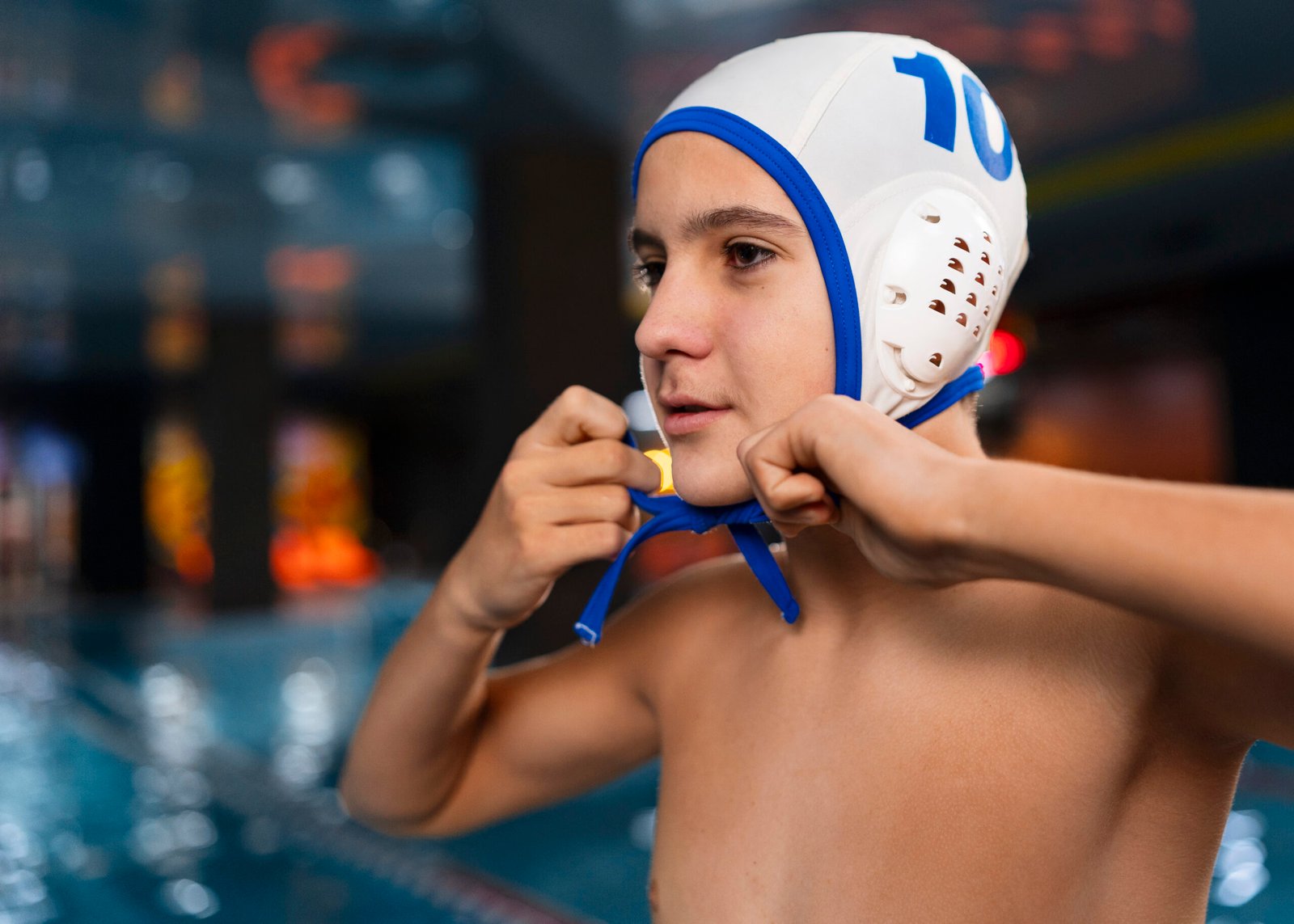
Injury Prevention in Australian Swim Lessons: A Guide to Keeping Students Safe and Healthy
Swimming is not only a popular pastime in Australia but also a crucial life skill. Australian swim lessons are a great way to ensure that individuals of all ages can enjoy the water safely. In this blog post, we will explore the importance of injury prevention in swim lessons and provide a guide to keeping students safe and healthy. AB First Aid Training is dedicated to promoting safety and well-being, and we offer comprehensive first aid courses. To learn more about our courses and how they can benefit swim instructors and students, visit our website AB First Aid Training or call us at 03 8364 8984. Injury Prevention in Australian Swim Lessons: Qualified Instructors: Always choose swim lessons taught by qualified instructors who understand water safety and injury prevention. Proper Supervision: Instructors should maintain constant supervision and vigilance to prevent accidents in and around the pool. Teaching Water Safety: Incorporate water safety education into lessons to ensure students understand the risks and how to mitigate them. Proper Pool Maintenance: Ensure the swimming pool is well-maintained, with regular checks for safety equipment and cleanliness. Use of Appropriate Safety Gear: Encourage the use of appropriate safety gear, such as floatation devices, for beginners or those with special needs. Teaching Proper Techniques: Instructors should emphasize proper swimming techniques to reduce the risk of strain or injury. Healthy Practices for Students: Hydration: Remind students to stay hydrated, even while in the water. Sun Protection: Educate students about the importance of sun protection, including the use of sunscreen and wearing hats and rash guards. Regular Breaks: Encourage students to take regular breaks to prevent fatigue and overexertion. Safety Rules: Teach students the importance of following pool rules and etiquettes. Emergency Preparedness: Ensure students know what to do in case of an emergency, such as reaching for help or using floatation devices. Conclusion: Injury prevention is paramount in Australian swim lessons to provide a safe and enjoyable experience for students. At AB First Aid Training, we believe that equipping instructors and students with the knowledge of safety and first aid is key to a safer aquatic environment. Remember, injury prevention in the water is a shared responsibility. Let’s make every swim lesson a secure and health-promoting experience. Questions for Reflection: How do you prioritize injury prevention in your swim lessons or when teaching someone to swim? Have you or someone you know experienced an injury during a swimming lesson, and what could have been done differently to prevent it? What measures do you think could further enhance the safety of Australian swim lessons? Sources: Water Safety – Royal Life Saving Society Australia Swim Lesson Safety Guidelines – Swim Australia AB First Aid Training Courses Contact us at AB First Aid Training: 03 8364 8984

Dealing with Snake Bites in Australia: A Guide to First Aid and Prevention
Australia is known for its diverse and unique wildlife, and that includes a variety of snake species. While encounters with snakes are relatively rare, it’s essential to be prepared for a potential snake bite situation. In this blog post, we will explore how to handle snake bites in Australia, emphasizing the importance of proper first aid and prevention strategies. At AB First Aid Training, we are committed to equipping you with the knowledge and skills needed to respond effectively to such situations. If you’re interested in learning more about first aid, visit our website AB First Aid Training or give us a call at 03 8364 8984. First Aid for Snake Bites: Stay Calm and Immobilize: The first and most crucial step is to stay calm and prevent the venom from spreading. Keep the affected limb immobilized as much as possible. Remove Tight Clothing and Accessories: In case of swelling, remove tight clothing or accessories near the bite area. Apply a Pressure Bandage: Use a wide elastic bandage to apply pressure to the bitten limb. Start just above the bite and wrap downwards, maintaining consistent pressure. Keep the Affected Limb Elevated: Elevate the limb slightly to help reduce swelling and slow down venom spread. Avoid Incisions or Sucking the Venom: Contrary to popular belief, cutting the bite area or attempting to suck out venom can worsen the situation. Seek Immediate Medical Assistance: Call for help or, if possible, make your way to the nearest medical facility. It’s crucial to get professional care as soon as possible. Preventing Snake Bites: Stay Aware of Your Surroundings: When hiking or spending time in natural environments, be aware of your surroundings. Keep an eye out for snakes and avoid tall grass or underbrush where they may hide. Wear Suitable Footwear and Clothing: If you’re in snake-prone areas, wear sturdy, closed-toe shoes and long pants. This can reduce the chances of a snake bite. Use a Torch at Night: When walking around at night, use a torch to light your way and be vigilant. Keep a Safe Distance: If you encounter a snake, back away slowly and give it space. Snakes will usually avoid humans if given the opportunity. Conclusion: Dealing with snake bites in Australia requires a calm and well-informed approach. Knowing how to administer proper first aid is essential, but prevention is equally crucial. At AB First Aid Training, we offer courses that equip you with the skills and knowledge to respond effectively in emergency situations. Are you prepared to handle a snake bite? We’re here to help. Questions for Reflection: Have you ever encountered a snake in the wild? What was your reaction? Do you know the different species of snakes in your area, and their level of toxicity? How confident do you feel in your ability to provide first aid in the event of a snake bite? Sources: Australian Snake Bites – What to do Snake Bite First Aid – Australian Venom Research Unit AB First Aid Training Courses
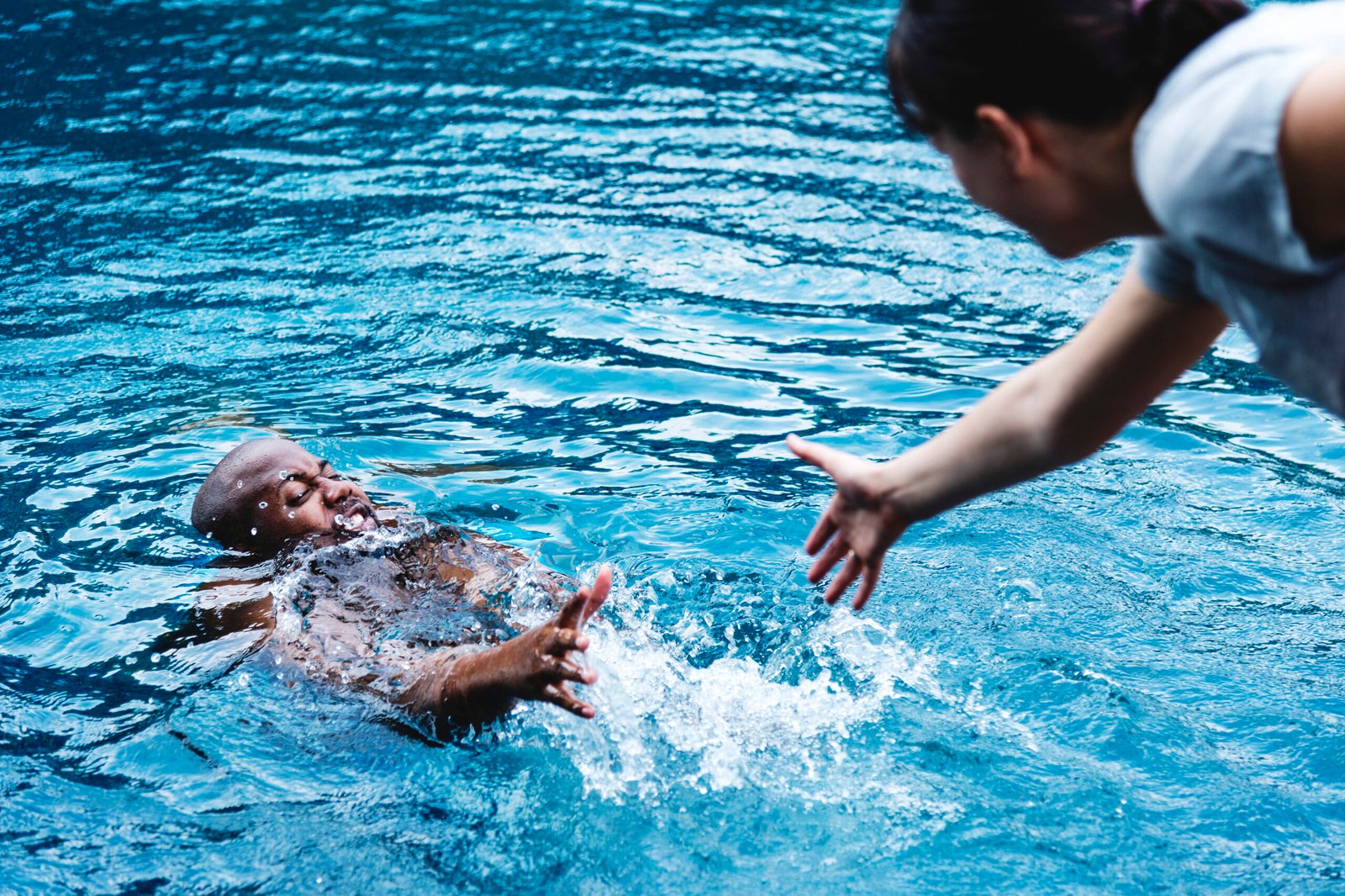
Swim Teacher First Aid: How to Respond to Emergencies in and Around the Pool
As a swim teacher, your role involves not only teaching swimming skills but also ensuring the safety and well-being of your students in and around the pool. Emergencies can happen, and being prepared to respond effectively is crucial. At AB First Aid Training, we recognize the importance of swim teacher first aid skills. In this blog, we’ll provide swim teachers with essential knowledge and techniques to respond to emergencies in and around the pool. 1. Recognizing Emergencies: Be vigilant and attentive to the signs of distress or danger in the water. Monitor your students closely and identify any unusual behaviors or situations. 2. Immediate Action: If you suspect a student is in distress, act quickly. Remove the student from the water immediately if they are in danger. If necessary, activate the pool’s emergency alarm or signal for assistance. 3. Rescue Techniques: Learn and practice rescue techniques such as reaching assists, throwing assists, or using a rescue tube. Maintain a safe distance from a distressed or drowning student to avoid becoming a secondary victim. 4. Cardiopulmonary Resuscitation (CPR): Be trained and certified in CPR for both adults and children. If a student becomes unresponsive, initiate CPR immediately while someone else calls for emergency help. 5. Use of AED (Automated External Defibrillator): Familiarize yourself with the location and operation of the AED at your pool. If available, use the AED as instructed while continuing CPR. 6. Choking Response: Learn and practice choking response techniques, especially for children. Encourage safe eating and supervise young children to prevent choking incidents. 7. Pool Safety Equipment: Ensure that pool safety equipment, such as rescue tubes, ring buoys, and life jackets, is readily accessible. Know how to use these tools effectively in rescue situations. 8. First Aid Training: Complete first aid training that covers common pool-related injuries and emergencies. Be prepared to administer first aid for cuts, bruises, or minor injuries. 9. Effective Communication: In an emergency, communicate clearly with students, pool staff, and emergency responders. Stay calm and provide necessary information to facilitate a swift response. 10. Regular Training and Certification: Periodically refresh your first aid and water safety skills through training and certification courses. Stay updated with the latest guidelines and best practices. Conclusion: Swim teachers play a vital role in ensuring the safety of their students in and around the pool. By being vigilant, knowing how to recognize emergencies, and having the skills to respond effectively through rescue techniques, CPR, and first aid, swim teachers can create a safer swimming environment and potentially save lives. Questions for Reflection: Have you received recent first aid and CPR training? If not, when can you schedule your next training session? Are there any specific emergency scenarios or situations in and around the pool that you would like to learn more about? Sources: Recognizing a Drowning Child – American Red Cross: Link ↩ Water Safety Tips – Centers for Disease Control and Prevention (CDC): Link ↩ Water Rescue Techniques – Royal Life Saving Society Australia: Link ↩ CPR and AED Training – American Heart Association: Link ↩ How to Use an AED – American Red Cross: Link ↩ Choking First Aid – St John Ambulance Australia: Link ↩ Lifesaving Equipment – Royal Life Saving Society Australia: Link ↩ Basic First Aid – St John Ambulance Australia: Link ↩ Communicating in Emergencies – Australian Government: Link ↩ First Aid Courses – Australian Red Cross: Link ↩

Teaching Swim Lessons to Children with Special Needs: Tips and Strategies for Swim Teachers
Teaching swim lessons to children with special needs is a rewarding but unique challenge that requires patience, adaptability, and a deep understanding of the individual needs of each child. As advocates for inclusive swim education, AB First Aid Training recognizes the importance of creating an environment where all children can learn to swim safely. In this blog, we’ll provide swim teachers with valuable tips and strategies for effectively teaching children with special needs. 1. Individualized Lesson Plans: Tailor your swim lessons to meet the specific needs and abilities of each child. Conduct an assessment to understand their comfort in the water and any sensory sensitivities. 2. Clear Communication: Establish effective communication with the child and their parents or caregivers. Learn and use any communication methods or cues that work best for the child, such as visual or tactile cues. 3. Patience and Positive Reinforcement: Be patient and offer positive reinforcement to build the child’s confidence. Celebrate small achievements and progress to keep the child motivated. 4. Sensory Considerations: Be aware of sensory sensitivities and adapt your approach accordingly. Use sensory-friendly equipment like earplugs or goggles if needed. 5. Visual Supports: Implement visual supports such as visual schedules or picture cards to help the child understand the lesson structure. Use visual cues to demonstrate skills and expectations. 6. Gradual Progression: Gradually introduce new skills and techniques, ensuring that the child is comfortable and ready. Break down complex skills into smaller, manageable steps. 7. Water Safety Education: Include water safety education in your lessons to help the child understand the importance of safety in and around the water. Teach them how to recognize and respond to water hazards. 8. Collaboration and Communication: Maintain open and regular communication with parents or caregivers. Collaborate with them to understand the child’s goals and any concerns. 9. Inclusion and Support: Foster an inclusive environment in your swim program, promoting acceptance and understanding among all participants. Train other staff members to be supportive and inclusive. 10. Continued Learning: Stay updated with training and resources related to teaching children with special needs. Attend workshops or courses focused on adaptive swim instruction. Conclusion: Teaching swim lessons to children with special needs is a meaningful endeavor that requires adaptability and a commitment to providing a safe and inclusive learning environment. By following these tips and strategies, swim teachers can create a positive and supportive experience that empowers children with special needs to develop water safety skills and enjoy the benefits of swimming. Questions for Reflection: How can you adapt your current teaching methods to better accommodate children with special needs? What additional resources or training can help you become a more effective swim teacher for children with special needs? Sources: Swimming for Children with Disabilities – Royal Life Saving Society Australia: Link ↩ Communicating with Children with Disabilities – KidsHealth: Link ↩ Supporting Positive Behavior in Children and Teens with Autism – Autism Speaks: Link ↩ Sensory Issues and Autism – Autism Society: Link ↩ Visual Supports – Center for Parent Information and Resources: Link ↩ Tips for Teaching Children with Autism – Autism Society: Link ↩ Water Safety Education – American Red Cross: Link ↩ Supporting Families of Children with Disabilities – Centers for Disease Control and Prevention (CDC): Link ↩ Promoting Inclusion in Aquatic Programs – Inclusion Club Hub: Link ↩ Adaptive Swim Instructor Certification – Aquatic Therapy University: Link ↩
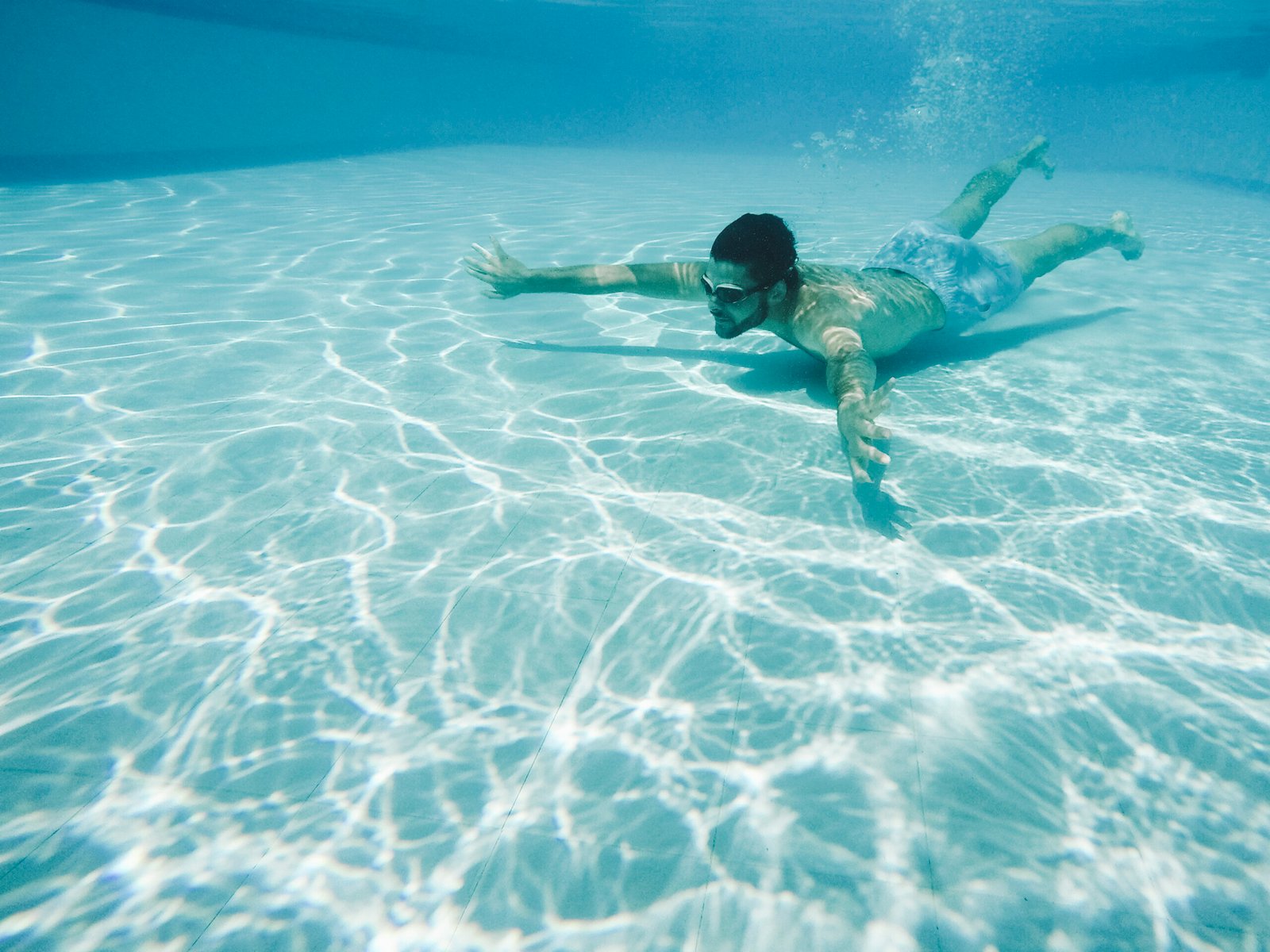
Swimming and Water Safety in Australia: A Guide for Swim Teachers
Australia’s beautiful coastline and numerous waterways make swimming and water safety essential skills for people of all ages. Swim teachers play a critical role in ensuring that individuals are equipped with the knowledge and skills to enjoy the water safely. At AB First Aid Training, we understand the importance of swim teachers in promoting water safety. In this blog, we’ll provide a comprehensive guide for swim teachers in Australia, focusing on key aspects of swimming and water safety. 1. Qualifications and Training: Ensure you have the necessary qualifications and certifications to teach swimming and water safety. Stay updated with the latest training and techniques for teaching swimming and water safety. 2. Water Safety Education: Prioritize water safety education alongside swimming skills. Teach students about the dangers of water, including rip currents, tides, and hazards in different aquatic environments. 3. Age-Appropriate Lessons: Tailor your lessons to the age and skill level of your students. Recognize that young children require different teaching approaches compared to teenagers or adults. 4. Stroke Techniques: Focus on teaching proper stroke techniques to ensure efficient and safe swimming. Emphasize the importance of bilateral breathing and body positioning. 5. Rescue Skills: Train students in basic rescue and lifesaving skills, such as treading water, floating, and reaching assists. Teach students how to respond in emergency situations. 6. Sun Safety: Educate students on sun safety practices when swimming outdoors. Promote the use of sunscreen, rash vests, and appropriate sun protection. 7. CPR and First Aid: Encourage swim teachers to be trained in CPR and basic first aid7. In emergencies, knowing how to administer CPR and provide first aid can be life-saving. 8. Pool and Water Facility Safety: Ensure that the pool or water facility where you teach complies with safety regulations. Familiarize yourself and your students with the facility’s emergency procedures. 9. Inclusivity and Adaptation: Create an inclusive environment for individuals with disabilities. Adapt your teaching methods to accommodate students with diverse needs. 10. Continuous Assessment Continuously assess your students’ progress and adapt your teaching accordingly. Provide constructive feedback and set achievable goals. Conclusion: As a swim teacher in Australia, your role extends beyond teaching strokes; it includes instilling water safety awareness, rescue skills, sun safety, and the importance of CPR and first aid. By following these guidelines and staying updated with industry best practices, you can help ensure that your students become confident and safe swimmers. Questions for Reflection: How do you currently integrate water safety education into your swimming lessons? What additional strategies can you implement to enhance water safety awareness among your students? Sources: Swim Teacher Qualifications – Royal Life Saving Society Australia: Link ↩ Swim and Survive – Royal Life Saving Society Australia: Link ↩ Teaching Swimming Lessons – Swimming Australia: Link ↩ Freestyle Technique – Australian Swimming Coaches and Teachers Association: Link ↩ Swimming and Lifesaving Skills – Surf Life Saving Australia: Link ↩ Sun Safety – SunSmart: Link ↩ First Aid and CPR Training – Australian Red Cross: Link ↩ Pool Safety and Regulations – Royal Life Saving Society Australia: Link ↩ Inclusive Swimming – Disability Sport & Recreation: Link ↩ Assessing Swimming Skills – Royal Life Saving Society Australia: Link ↩

Creating an Emergency Plan for Australian Childcare Centers: Preparing for Natural Disasters and Other Emergencies
Childcare centers in Australia must be well-prepared to respond effectively to various emergencies, including natural disasters and unforeseen crises. At AB First Aid Training, we understand the importance of ensuring the safety and well-being of children and staff in childcare settings. In this blog, we’ll explore essential steps and strategies for creating a comprehensive emergency plan that will help childcare centers prepare for and respond to emergencies. 1. Risk Assessment and Hazard Identification: Conduct a thorough risk assessment to identify potential hazards specific to your childcare center’s location. Identify natural disaster risks such as bushfires, floods, storms, and earthquakes. Consider other potential emergencies, including fire, medical incidents, power outages, and security threats. 2. Emergency Response Team: Appoint a dedicated emergency response team consisting of trained staff members. Assign specific roles and responsibilities to team members. Ensure that team members are familiar with emergency procedures and communication protocols. 3. Evacuation and Shelter Plans: Develop clear evacuation and shelter-in-place plans tailored to the identified risks. Establish multiple evacuation routes and designated assembly points. Ensure that the childcare center is equipped with emergency supplies, including first aid kits, water, and non-perishable food items. 4. Communication Protocols: Establish communication protocols for both internal and external communication during emergencies. Ensure that staff members know how to communicate with parents or guardians and local authorities. Provide updated contact information for emergency services and relevant agencies. 5. Training and Drills: Conduct regular emergency preparedness training and drills with staff and children. Practice evacuation procedures, first aid response, and communication protocols. Review and update the emergency plan based on drill outcomes and lessons learned. 6. Emergency Contacts and Resources: Maintain an up-to-date list of emergency contacts, including parents or guardians, local emergency services, and support organizations. Ensure access to resources such as weather alerts and emergency broadcasts. Collaborate with local authorities to stay informed about potential risks and receive guidance. 7. Family Engagement: Engage with parents and guardians to ensure they are aware of the childcare center’s emergency plan. Provide clear instructions for parents in case of an emergency, including pickup procedures and reunification locations. Encourage parents to update their emergency contact information regularly. Conclusion: Creating an emergency plan for Australian childcare centers is essential to safeguard the well-being of children and staff during emergencies. By conducting risk assessments, establishing an emergency response team, developing evacuation and shelter plans, setting up communication protocols, conducting training and drills, maintaining emergency contacts and resources, and engaging with families, childcare centers can effectively prepare for and respond to a wide range of emergencies. Questions for Reflection: Childcare Emergency and Evacuation Plan Template – Safe Work Australia: Link ↩ Emergency Management Planning Guide for Childcare Services – Early Childhood Australia: Link ↩ Disaster Preparedness and Response in Childcare Settings – Australian Institute of Family Studies: Link ↩ Crisis Communication Plan – National Childcare Accreditation Council (NCAC): Link ↩ Emergency Planning and Evacuation Procedures – Australian Children’s Education & Care Quality Authority (ACECQA): Link ↩ Emergency and Incident Policy – Department of Education, Skills and Employment, Australian Government: Link ↩ Family Emergency Plan – Australian Government Department of Home Affairs: Link ↩ Sources: Cancer Council Australia – SunSmart Schools Program: Link ↩ Bureau of Meteorology – UV Index: Link ↩ SunSmart – SunSmart Schools: Link ↩ Building for a SunSmart Future – Cancer Council Victoria: Link ↩ Sunscreen: Link ↩ Sun Protection Policy Guidelines – Department of Health, Australian Government: Link ↩

Mental Health and Wellbeing in Australian Childcare Centers: Strategies for Supporting Children and Staff
Mental health and wellbeing are crucial aspects of early childhood development and quality childcare in Australia. Childcare centers have a significant role in promoting positive mental health for both children and staff members. At AB First Aid Training, we recognize the importance of creating a nurturing and supportive environment. In this blog, we’ll explore essential strategies for childcare centers to support the mental health and wellbeing of children and staff. 1. Promote a Positive and Inclusive Environment: Foster a welcoming and inclusive atmosphere where every child and staff member feels valued and respected. Incorporate diversity and cultural sensitivity into the curriculum to create an accepting environment. 2. Social and Emotional Learning (SEL) Programs: Implement SEL programs that teach children essential emotional skills such as empathy, communication, and conflict resolution. Provide staff with training in SEL strategies to support children’s emotional development. 3. Communication and Openness: Encourage open and honest communication among staff members and with children. Create a culture where concerns or challenges related to mental health can be discussed without stigma. Offer resources and support for staff experiencing mental health difficulties. 4. Staff Wellbeing Initiatives: Prioritize the mental health and wellbeing of staff members through initiatives like regular check-ins, access to counseling services, and stress management workshops. Create a supportive work culture that acknowledges the demands of the job and promotes self-care. 5. Mindfulness and Relaxation Techniques: Introduce mindfulness and relaxation activities into daily routines to help children and staff manage stress and emotions. Teach simple relaxation exercises and deep-breathing techniques to promote calmness. 6. Professional Development and Training: Provide staff with ongoing training in mental health awareness and strategies for supporting children’s emotional needs. Stay informed about the latest research and practices in early childhood mental health. 7. Collaboration with Families: Engage parents and guardians in discussions about children’s mental health and wellbeing7. Share resources and information about recognizing signs of mental health concerns in children. Collaborate with families to create a consistent approach to mental health support. Conclusion: Prioritizing mental health and wellbeing in Australian childcare centers is essential for creating a nurturing and supportive environment. By promoting inclusivity, implementing SEL programs, fostering open communication, supporting staff wellbeing, teaching mindfulness, investing in professional development, and collaborating with families, childcare centers can play a pivotal role in ensuring the mental health and wellbeing of both children and staff members. Questions for Reflection: How does your childcare center currently address mental health and wellbeing, and what additional strategies can be implemented? Are there specific challenges or concerns related to mental health support that you would like to address in your childcare setting? Sources: Creating Inclusive Child Care Environments – Raising Children Network: Link ↩ Social and Emotional Learning (SEL) – Edutopia: Link ↩ Effective Communication with Parents – National Quality Standard: Link ↩ Promoting Staff Wellbeing in Early Childhood Education and Care – Early Childhood Australia: Link ↩ Mindfulness for Children – Mindful Schools: Link ↩ Early Childhood Mental Health – Zero to Three: Link ↩ Collaborating with Families – National Quality Standard: Link ↩