Childcare workers do more than educate and care for young children — they are often the first responders when something goes wrong. Whether it’s a choking incident, an allergic reaction, or a fall in the playground, the ability to respond quickly and correctly can make a significant difference to a child’s outcome. If you work in a childcare setting in Victoria, first aid training isn’t just best practice — in most cases, it’s a legal requirement. Here’s what you need to know. What the Regulations Say The National Quality Framework (NQF), administered by ACECQA (Australian Children’s Education and Care Quality Authority), sets out clear expectations for first aid qualifications in early childhood education and care (ECEC) settings. Under the Education and Care Services National Regulations, services must ensure that at least one educator with a current approved first aid qualification is present at all times when children are in care. This includes HLTAID012 Provide First Aid in an Education and Care Setting (or the approved equivalent), an anaphylaxis management qualification, and an asthma management qualification. These are not optional extras. Meeting these requirements is part of achieving and maintaining a quality rating under the NQF, and failing to comply can put your service — and more importantly, the children in your care — at serious risk. Current requirements are available on the ACECQA website at acecqa.gov.au. What Can Go Wrong in a Childcare Setting? Children between the ages of 0 and 5 are particularly vulnerable to a range of medical emergencies. These are some of the most common incidents that childcare workers encounter. Choking is one of the most serious risks for young children. Small objects, food items, and even toys can become lodged in a child’s airway, and without immediate action, the results can be fatal. Knowing how to perform back blows and chest thrusts correctly — and staying calm enough to do so — requires practice, not just reading a manual. Allergic reactions, including anaphylaxis, are increasingly common in young children. Anaphylaxis is a severe, life-threatening reaction that requires immediate use of an adrenaline auto-injector (such as an EpiPen) and a call to 000. Without trained staff on site, a delay of even a few minutes can have devastating consequences. Asthma attacks are another frequent occurrence in childcare settings. Victoria has one of the highest rates of childhood asthma in Australia, and knowing how to manage an acute attack — including how to use a spacer and metered dose inhaler — is essential for any childcare worker. Febrile seizures, falls, fractures, and head injuries are also common in ECEC settings. In each case, a calm, trained response makes a measurable difference to the outcome for the child. First Aid Training Is Not a One-Off Many childcare workers complete their initial first aid qualification and assume that’s enough. But first aid knowledge fades over time, and techniques are updated as medical evidence evolves. ACECQA recommends that first aid qualifications are renewed every three years, with CPR updated annually. This isn’t just a bureaucratic requirement — it’s about ensuring that the people responsible for children’s safety are genuinely ready to respond when it matters. Regular refresher training also builds confidence. There’s a real difference between someone who attended a course three years ago and someone who practised CPR compressions last month. Muscle memory matters when you’re dealing with a real emergency and your hands are shaking. Creating a First Aid-Ready Environment Training your team is the foundation, but it’s not the whole picture. A first aid-ready childcare centre also: WorkSafe Victoria recommends that all workplaces — including childcare centres — conduct regular reviews of their first aid procedures and equipment. The childcare environment is particularly dynamic, with new enrolments bringing new medical needs throughout the year. The Difference Trained Staff Make When a child collapses or stops breathing, the minutes before an ambulance arrives are critical. Early CPR significantly improves survival outcomes — and while cardiac arrest is rare in young children, it does happen, particularly following drowning, choking, or severe allergic reaction. In those moments, the response of a trained childcare worker can be the difference between a child who recovers fully and one who doesn’t. That’s not an exaggeration — it’s the reality of working in a high-care environment. Beyond emergencies, trained staff also make better day-to-day decisions. They’re more likely to recognise the early signs of illness or distress, respond appropriately to minor injuries, and document incidents correctly — all of which contributes to a safer, higher-quality service overall. Book Your Team’s First Aid Training Today AB First Aid delivers practical, engaging first aid training for childcare workers and ECEC services across Melbourne and Victoria. Our courses are nationally recognised, meet ACECQA requirements, and are delivered by experienced trainers who understand the real-world demands of working with young children. We offer flexible scheduling to suit childcare rosters, including on-site group training for your whole team. Whether you need to get new staff qualified or bring your existing team’s skills up to date, we’re here to help. View our upcoming public course schedule or get in touch to discuss group bookings at AB First Aid in Tullamarine. Book your team’s training today and make sure you’re ready when it matters most. Visit abfirstaid.com.au or call us to find out more. References
Seizure First Aid for NDIS Support Workers: A Practical Step-by-Step Guide
If you work as a disability support worker, chances are you’ve already thought about what you’d do in a medical emergency. And while there are many situations you might prepare for, seizures tend to sit near the top of the list — not because they’re necessarily dangerous every time, but because they can be frightening to witness and the wrong response can cause real harm. Many NDIS participants live with conditions associated with a higher likelihood of seizures, including epilepsy, acquired brain injury, cerebral palsy, and Down syndrome. Knowing how to respond calmly and correctly isn’t optional for support workers — it’s an essential part of the role. Here’s what you need to know. Understanding Seizures in a Disability Support Context A seizure occurs when there’s a sudden burst of electrical activity in the brain that temporarily disrupts normal function. Seizures can look quite different depending on the type. The most recognisable is the tonic-clonic seizure (formerly called a grand mal), which involves loss of consciousness, muscle rigidity, and rhythmic jerking movements. But seizures can also present as a brief blank stare (absence seizure), unusual repetitive movements, or sudden muscle limpness. For NDIS participants with a known seizure disorder, your organisation may already have guidance in the participant’s Health Support Plan about what their typical seizures look like, how long they usually last, and what response is expected. Familiarising yourself with this information before an event occurs is one of the most practical steps you can take as a support worker. Step-by-Step: Responding to a Tonic-Clonic Seizure The following steps are consistent with guidelines from the Australian Resuscitation Council (ARC) and Epilepsy Action Australia. 1. Stay calm and stay present.Your response sets the tone. Keep others nearby calm and clear the immediate area of bystanders where possible. 2. Note the time.Start timing the seizure from the moment it begins. This is critical information for emergency services and medical staff. 3. Protect the person from injury.Gently guide them away from hard surfaces or hazards if you can do so safely. Place something soft under their head — a folded jacket, a bag, anything available. Move furniture and sharp objects out of the way. 4. Do not restrain them.Do not hold down their arms or legs. Restraining someone during a seizure does not stop it and can cause injury to both of you. 5. Do not put anything in their mouth.The idea that a person can swallow their tongue during a seizure is a myth. Placing objects in the mouth can cause broken teeth, jaw injuries, or injury to your own fingers. 6. Stay with them throughout.Do not leave the person alone. Monitor them closely for the duration of the seizure. 7. After the seizure — recovery position.Once the seizure ends and if the person remains unconscious or is drowsy, gently roll them onto their side into the recovery position. This keeps their airway clear and supports breathing. Stay with them and offer calm reassurance as they regain awareness. It’s normal for a person to feel confused, exhausted, or distressed after a seizure — this phase is called the postictal state and can last from several minutes to an hour. 8. Document what you observed.Note the time, duration, type of movements, any loss of consciousness, and how the person was afterwards. This information is valuable for their treating health professionals and required for incident reporting under NDIS obligations. When to Call 000 Seizures do not always require emergency services, but there are situations where calling 000 immediately is the right call. These include: If a participant has a known seizure disorder and their Health Support Plan specifies a different response protocol, follow that plan — but always err on the side of caution. When in doubt, call 000. What Not to Do In the heat of the moment, well-meaning instincts can sometimes lead to responses that make things worse. To be clear: These actions are not only ineffective — they can cause injury and distress. NDIS Practice Standards and Your Obligations The NDIS Practice Standards, overseen by the NDIS Quality and Safeguards Commission, require registered providers to support the health and wellbeing of participants, including having appropriate processes in place for managing health emergencies. For participants with a history of seizures, this typically means having a current Health Support Plan that outlines the participant’s seizure type, usual duration, and agreed staff response. It also means ensuring that staff working with that participant have the training and knowledge to implement the plan. Support workers should know where to find a participant’s Health Support Plan and understand what it says before a seizure occurs — not during one. If you haven’t been provided this documentation for the participants you support, raise it with your supervisor. It’s not an unreasonable ask; it’s a practical safety requirement. Providers are also required to report certain incidents, including seizures that result in injury or require emergency medical treatment, through the NDIS Commission’s incident management system. Why First Aid Training Matters for Support Workers Reading a guide like this one is useful preparation, but there is no substitute for hands-on first aid training. Knowing the steps and actually practising them are two different things. In a real emergency, training helps you act with confidence rather than freeze up or make decisions that could cause harm. The nationally recognised qualification HLTAID011 (Provide First Aid) covers emergency responses including seizure management, anaphylaxis, CPR, and a range of other scenarios that are directly relevant to NDIS support work. For support workers, having a current first aid certificate is not just good practice — it is increasingly expected by NDIS providers as a baseline requirement. Training also supports compliance with NDIS Practice Standards and gives your employer, your participants, and their families greater confidence in the quality of care being provided. Book Your First Aid Training with AB First Aid AB First Aid provides practical, hands-on first aid training in Tullamarine for NDIS support workers, disability providers, and care teams. Courses are
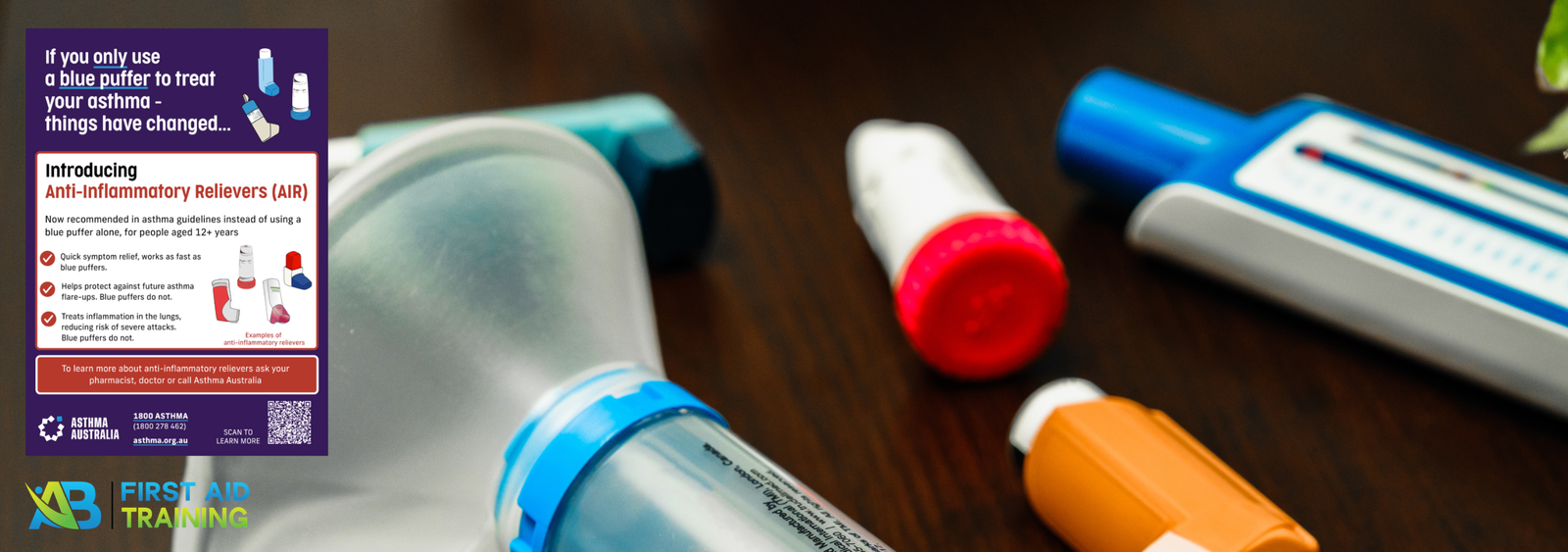
The Blue Puffer Isn’t the Whole Story Anymore: Understanding Australia’s New Asthma Guidelines
Australia’s asthma guidelines have changed. Learn what AIR therapy means and why blue puffers alone are no longer recommended for many people.

Low Voltage Rescue LVR in Australia: The Electrician’s Guide That Actually Gets Used
If you have ever heard someone say “Yeah, I’ve got my LVR somewhere” and then watched the panic set in when a site induction asks for proof, you already know the truth.

Understanding Electrical Duty of Care Under Australian WHS Laws
Learn what electrical duty of care means under Australian WHS laws, who is responsible, and how to meet obligations with practical controls and training.

How Often Do Electricians Need to Renew Low Voltage Rescue in Australia
How often must electricians renew LVR in Australia? The 12-month rule explained, CPR requirements, WA licensing nuance, and audit-ready compliance tips.

Sun, Sand and Stings: First Aid for Common Beach Injuries
From bluebottle stings to sunburn, learn how to handle common beach injuries and keep your summer safe and stress-free.

First Aid for Summer Road Trips: What Every Car Should Have Before You Hit the Highway
Heading away this summer? Here’s what to pack in your car first aid kit and how to handle roadside emergencies safely.
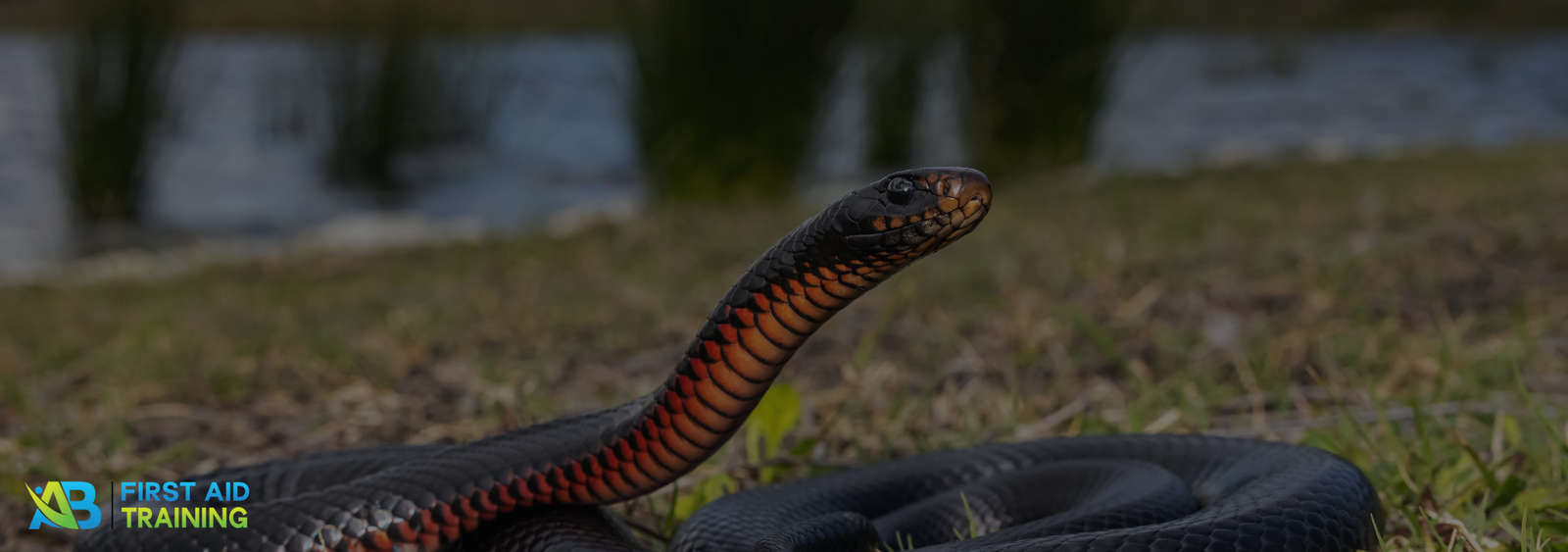
Snake Bites and Creepy Crawlies: Staying Safe on Summer Walks
Learn how to stay safe from snakes and insects this summer. First aid tips for bites and stings, local hotspots, and what to pack before you hit the trails.

Beach and Pool Safety: What to Do When Fun Turns Risky
Stay safe this summer with simple beach and pool first aid tips. Learn how to spot drowning early, treat common injuries, and build your own water safety kit.