The Blue Puffer Isn’t the Whole Story Anymore: Understanding Australia’s New Asthma Guidelines
For decades, Australians with mild asthma were told the same thing: keep a blue puffer nearby and use it when symptoms flare up.
But asthma treatment in Australia is changing, and it’s one of the biggest shifts in asthma care in years.
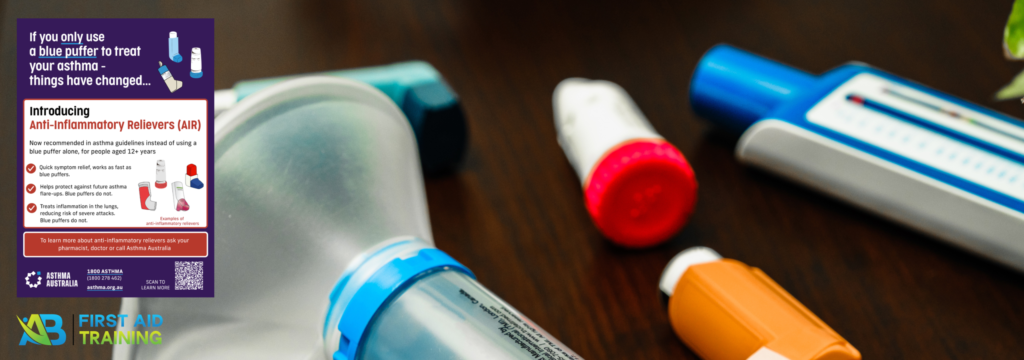
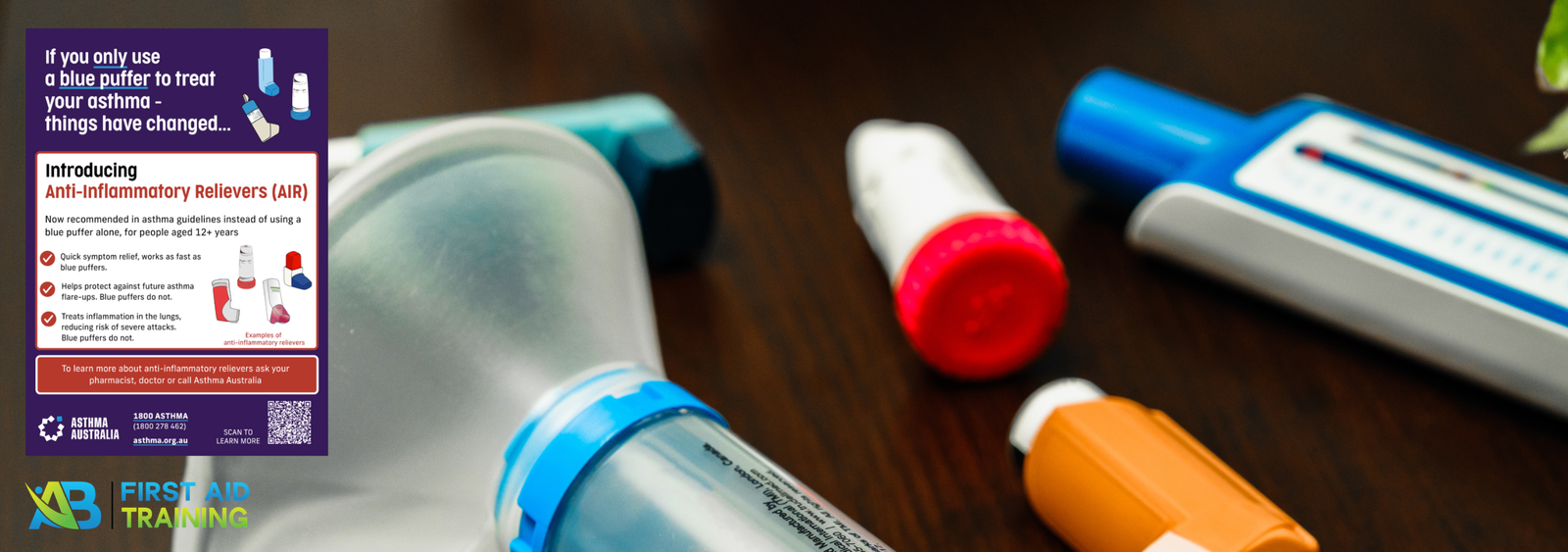
New Australian asthma guidelines now recommend that many adults and teenagers move away from relying on a blue reliever puffer alone. Instead, experts are encouraging the use of something called Anti-Inflammatory Reliever (AIR) therapy.
If you or someone in your family has asthma, this is important information to understand, especially heading into summer when asthma triggers like pollen, smoke, dust, and thunderstorm asthma become more common across Melbourne’s north-west.
What Has Actually Changed?
Traditionally, many people with mild asthma used a blue reliever inhaler such as:
These medications are known as SABA inhalers (Short-Acting Beta Agonists).
They work by relaxing the muscles around the airways, making breathing easier during an asthma flare-up.
The problem is they only treat the symptoms temporarily.
They do not treat the underlying inflammation inside the lungs.
Under the updated Australian Asthma Handbook guidelines, experts now recommend that many adults and adolescents aged 12+ use an Anti-Inflammatory Reliever (AIR) instead of relying on a blue puffer alone.
So What Is AIR Therapy?
AIR stands for Anti-Inflammatory Reliever therapy.
These inhalers combine:
- A fast-acting reliever medication
- A low-dose corticosteroid that treats airway inflammation
The most commonly recommended combination is:
Examples include:
- Symbicort
- DuoResp
- Bufomix
- Rilast
Unlike traditional blue puffers, AIR therapy treats both:
- The immediate airway tightening
- The inflammation causing the asthma symptoms in the first place
This is why experts now consider it a safer long-term option for many people with asthma.
Why Are the Guidelines Changing?
Because even “mild” asthma can become serious very quickly.
Research reviewed by the National Asthma Council Australia found that relying only on blue reliever puffers is linked to a higher risk of:
- Severe asthma attacks
- Emergency hospital visits
- Oral steroid use
- Asthma-related deaths
One of the biggest concerns is that many people think their asthma is under control simply because the blue puffer relieves symptoms quickly.
But underneath, airway inflammation may still be building.
According to the updated guidelines:
- Using 3 or more blue puffer canisters per year increases the risk of severe flare-ups
- Using 12 or more per year significantly increases the risk of asthma-related death
That’s why experts are shifting the focus from “quick relief only” to “preventing attacks before they happen.”
What Does This Mean in Simple Terms?
Think of asthma like a small fire inside the lungs.
A blue reliever puffer is like opening a window to let smoke out temporarily.
AIR therapy helps put the fire out as well.
That’s the key difference.
Important Things People Need to Know
1. Blue puffers still have a role
This does NOT mean Ventolin or salbutamol has disappeared.
Blue puffers are still used:
- During asthma emergencies
- In ambulances
- In hospitals
- As part of asthma first aid
Emergency asthma first aid guidelines have NOT changed.
2. AIR therapy is currently recommended for people aged 12+
At this stage:
- AIR therapy is generally recommended for adolescents and adults
- Different treatment plans still apply for younger children
Parents should always discuss asthma treatment with their GP or asthma specialist.
3. Asthma treatment should always be individualised
Not every inhaler suits every person.
Some people may still:
- Use traditional preventers
- Need maintenance inhalers
- Use combination therapy
- Require specialist respiratory care
The important message is: do not change medications without speaking to your doctor first.
Why This Matters in Melbourne’s North-West
Asthma is incredibly common in Victoria, especially during:
- Thunderstorm asthma season
- High pollen days
- Bushfire smoke events
- Dusty summer conditions
Suburbs like:
- Tullamarine
- Keilor
- Sunbury
- Melton
- Greenvale
often experience dry heat, wind, and environmental triggers that can worsen asthma symptoms.
Many locals remember the devastating 2016 Melbourne Thunderstorm Asthma event, where hospitals were overwhelmed and multiple lives were lost.
Experts believe better asthma control and anti-inflammatory treatment may help reduce severe flare-ups during future events.
Signs Your Asthma May Not Be Well Controlled
Even if symptoms feel “mild,” watch for:
- Using your blue puffer multiple times per week
- Waking up coughing at night
- Wheezing during exercise
- Avoiding activities because of breathing
- Frequent chest tightness
- Needing repeat puffer prescriptions often
These are signs it may be time for an asthma review.
Asthma First Aid Still Matters
Even with the new guidelines, knowing asthma first aid remains critical.
Asthma First Aid Steps:
- Sit the person upright and stay calm
- Give 4 puffs of a reliever inhaler through a spacer
- Give 1 puff at a time with 4 breaths after each puff
- Wait 4 minutes
- If no improvement, repeat
- Call 000 if symptoms become severe or don’t improve
Every school, workplace, childcare centre, and sporting club should ensure staff know these steps.
Questions to Ask Your Doctor
If you currently use only a blue puffer, it may be worth discussing:
- Is AIR therapy suitable for me?
- Is my asthma considered controlled?
- Am I overusing my reliever inhaler?
- Do I need a written asthma action plan?
- Should I carry a spacer?
These conversations can help reduce the risk of future asthma attacks.
A Reminder for Schools, Sports Clubs and Workplaces
This guideline change is especially important for:
- First aiders
- Teachers
- Coaches
- Workplace first aid officers
- Disability support workers
- Childcare educators
Understanding modern asthma management helps teams better support people living with asthma while still following standard asthma first aid protocols during emergencies.
Final Thoughts
This change in asthma management is not about creating fear.
It’s about improving long-term safety and reducing preventable asthma attacks.
For many Australians, the blue puffer has been the symbol of asthma treatment for years. But we now know asthma is more than airway tightening alone. It is an inflammatory condition, and treating the inflammation matters.
If you or someone you care for relies only on a reliever inhaler, now is a good time to book an asthma review and talk through the new recommendations with a healthcare professional.
Better understanding leads to better control, and better control can save lives.
References & Resources