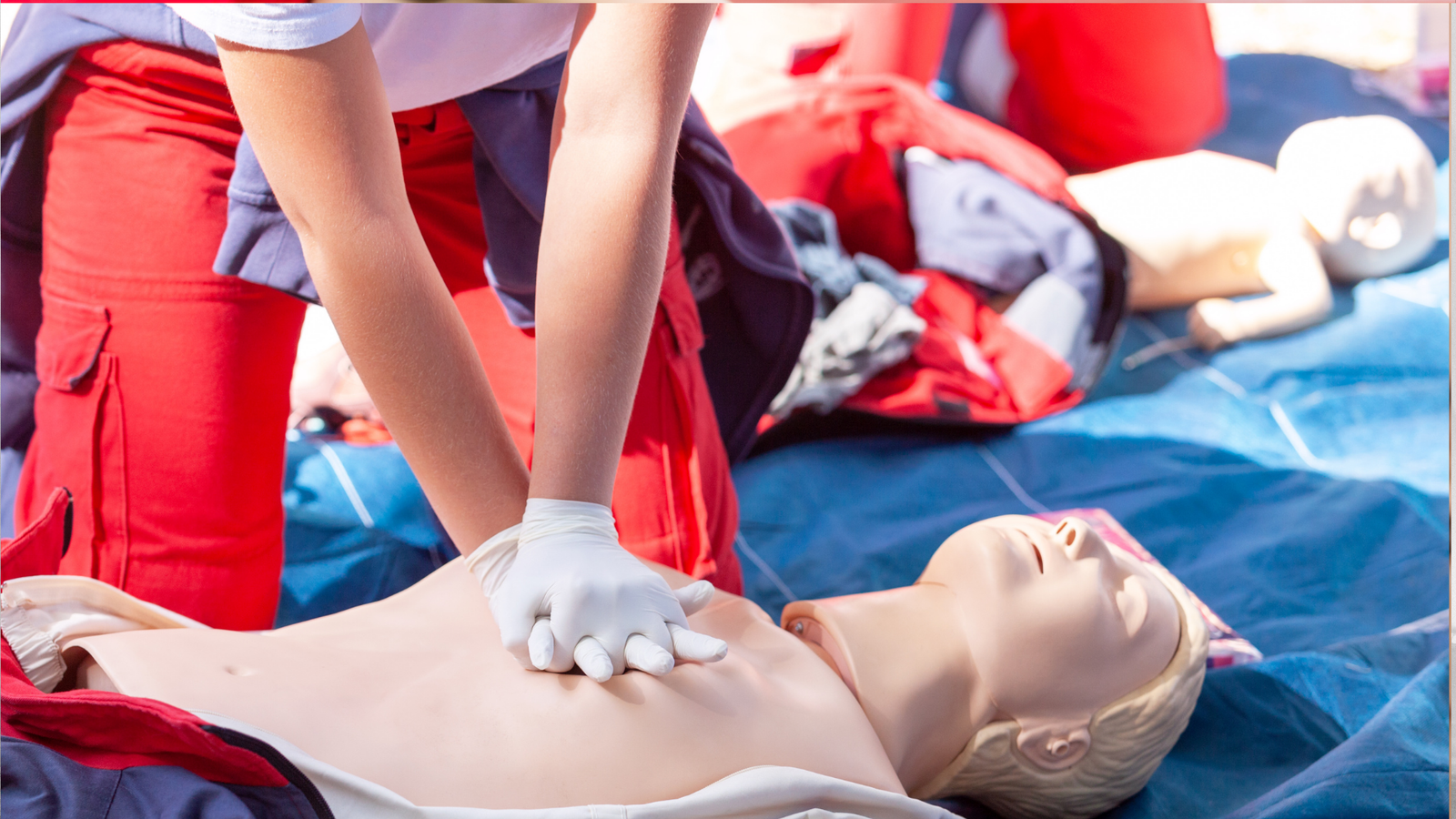

Childcare workers do more than educate and care for young children — they are often the first responders when something goes wrong. Whether it’s a choking incident, an allergic reaction, or a fall in the playground, the ability to respond quickly and correctly can make a significant difference to a child’s outcome.
If you work in a childcare setting in Victoria, first aid training isn’t just best practice — in most cases, it’s a legal requirement. Here’s what you need to know.
What the Regulations Say
The National Quality Framework (NQF), administered by ACECQA (Australian Children’s Education and Care Quality Authority), sets out clear expectations for first aid qualifications in early childhood education and care (ECEC) settings.
Under the Education and Care Services National Regulations, services must ensure that at least one educator with a current approved first aid qualification is present at all times when children are in care. This includes HLTAID012 Provide First Aid in an Education and Care Setting (or the approved equivalent), an anaphylaxis management qualification, and an asthma management qualification.
These are not optional extras. Meeting these requirements is part of achieving and maintaining a quality rating under the NQF, and failing to comply can put your service — and more importantly, the children in your care — at serious risk. Current requirements are available on the ACECQA website at acecqa.gov.au.
What Can Go Wrong in a Childcare Setting?
Children between the ages of 0 and 5 are particularly vulnerable to a range of medical emergencies. These are some of the most common incidents that childcare workers encounter.
Choking is one of the most serious risks for young children. Small objects, food items, and even toys can become lodged in a child’s airway, and without immediate action, the results can be fatal. Knowing how to perform back blows and chest thrusts correctly — and staying calm enough to do so — requires practice, not just reading a manual.
Allergic reactions, including anaphylaxis, are increasingly common in young children. Anaphylaxis is a severe, life-threatening reaction that requires immediate use of an adrenaline auto-injector (such as an EpiPen) and a call to 000. Without trained staff on site, a delay of even a few minutes can have devastating consequences.
Asthma attacks are another frequent occurrence in childcare settings. Victoria has one of the highest rates of childhood asthma in Australia, and knowing how to manage an acute attack — including how to use a spacer and metered dose inhaler — is essential for any childcare worker.
Febrile seizures, falls, fractures, and head injuries are also common in ECEC settings. In each case, a calm, trained response makes a measurable difference to the outcome for the child.
First Aid Training Is Not a One-Off
Many childcare workers complete their initial first aid qualification and assume that’s enough. But first aid knowledge fades over time, and techniques are updated as medical evidence evolves.
ACECQA recommends that first aid qualifications are renewed every three years, with CPR updated annually. This isn’t just a bureaucratic requirement — it’s about ensuring that the people responsible for children’s safety are genuinely ready to respond when it matters.
Regular refresher training also builds confidence. There’s a real difference between someone who attended a course three years ago and someone who practised CPR compressions last month. Muscle memory matters when you’re dealing with a real emergency and your hands are shaking.
Creating a First Aid-Ready Environment
Training your team is the foundation, but it’s not the whole picture. A first aid-ready childcare centre also:
- Maintains a fully stocked, accessible first aid kit (as required under the Education and Care Services National Regulations)
- Keeps an up-to-date register of children’s medical conditions, allergies, and medication requirements
- Has clear emergency action plans for anaphylaxis and asthma, including individual management plans in line with ASCIA guidelines
- Conducts regular emergency drills so that procedures become second nature
- Ensures all staff know where first aid equipment is located and how to use it
WorkSafe Victoria recommends that all workplaces — including childcare centres — conduct regular reviews of their first aid procedures and equipment. The childcare environment is particularly dynamic, with new enrolments bringing new medical needs throughout the year.
The Difference Trained Staff Make
When a child collapses or stops breathing, the minutes before an ambulance arrives are critical. Early CPR significantly improves survival outcomes — and while cardiac arrest is rare in young children, it does happen, particularly following drowning, choking, or severe allergic reaction.
In those moments, the response of a trained childcare worker can be the difference between a child who recovers fully and one who doesn’t. That’s not an exaggeration — it’s the reality of working in a high-care environment.
Beyond emergencies, trained staff also make better day-to-day decisions. They’re more likely to recognise the early signs of illness or distress, respond appropriately to minor injuries, and document incidents correctly — all of which contributes to a safer, higher-quality service overall.
Book Your Team’s First Aid Training Today
AB First Aid delivers practical, engaging first aid training for childcare workers and ECEC services across Melbourne and Victoria. Our courses are nationally recognised, meet ACECQA requirements, and are delivered by experienced trainers who understand the real-world demands of working with young children.
We offer flexible scheduling to suit childcare rosters, including on-site group training for your whole team. Whether you need to get new staff qualified or bring your existing team’s skills up to date, we’re here to help.
View our upcoming public course schedule or get in touch to discuss group bookings at AB First Aid in Tullamarine. Book your team’s training today and make sure you’re ready when it matters most. Visit abfirstaid.com.au or call us to find out more.
References
- ACECQA. (2024). First Aid Requirements. Retrieved from acecqa.gov.au
- Education and Care Services National Regulations 2011 (Cth), Regulation 136
- ASCIA. (2023). Anaphylaxis Management Guidelines. Retrieved from allergy.org.au
- WorkSafe Victoria. (2023). First Aid in the Workplace. Retrieved from worksafe.vic.gov.au
- Asthma Australia. (2024). Asthma in Children. Retrieved from asthma.org.au