
First Aid Compliance for Electrical Workers: What WHS Regulations Actually Require

Electrical work carries serious risks. According to Safe Work Australia, electrical incidents are among the leading causes of workplace fatalities and serious injuries in Australia’s construction and utilities sectors. For employers, contractors, and sole traders doing electrical work, understanding your first aid obligations under workplace health and safety law is not optional — it is a legal requirement.

This post breaks down what the law actually requires, what it means in practice, and how to make sure your team is covered.

What the Law Says

Under the Work Health and Safety Act 2011 (WHS Act) and the Work Health and Safety Regulations 2011, all persons conducting a business or undertaking (PCBUs) must provide first aid equipment and trained first aiders appropriate to the work being carried out.

Safe Work Australia’s First Aid in the Workplace Code of Practice (2021) provides detailed guidance on how to meet these obligations. While the Code is not legally binding on its own, it represents an accepted way of complying with WHS duties. If your practices meet or exceed the Code, you will generally be considered compliant.

Key requirements under the Code include:

  • Providing first aid equipment appropriate to the nature of the hazards at your workplace
  • Ensuring an adequate number of trained first aiders for your workforce size and risk level
  • Providing a suitable first aid room or facility where appropriate
  • Making sure workers know how to access first aid

For electrical worksites, this means your risk assessment must account for the specific hazards involved — electrocution, arc flash burns, falls, and electrical shock injuries — and your first aid provisions must reflect those hazards.

Low Voltage Rescue: A Separate Obligation

Beyond standard first aid compliance, electricians in Australia face an additional training requirement: Low Voltage Rescue (LVR).

Under national electrical licensing standards and Safe Work Australia guidance, workers who perform live low voltage electrical work must hold a current LVR qualification. In Victoria, this is recognised under Energy Safe Victoria requirements and is typically captured as a condition of an electrical worker’s licence.

The relevant unit is UETDRRF004 – Perform rescue from a live low voltage panel, which covers:

  • How to safely disconnect power or move a casualty from a live source
  • Initial assessment of an unconscious casualty
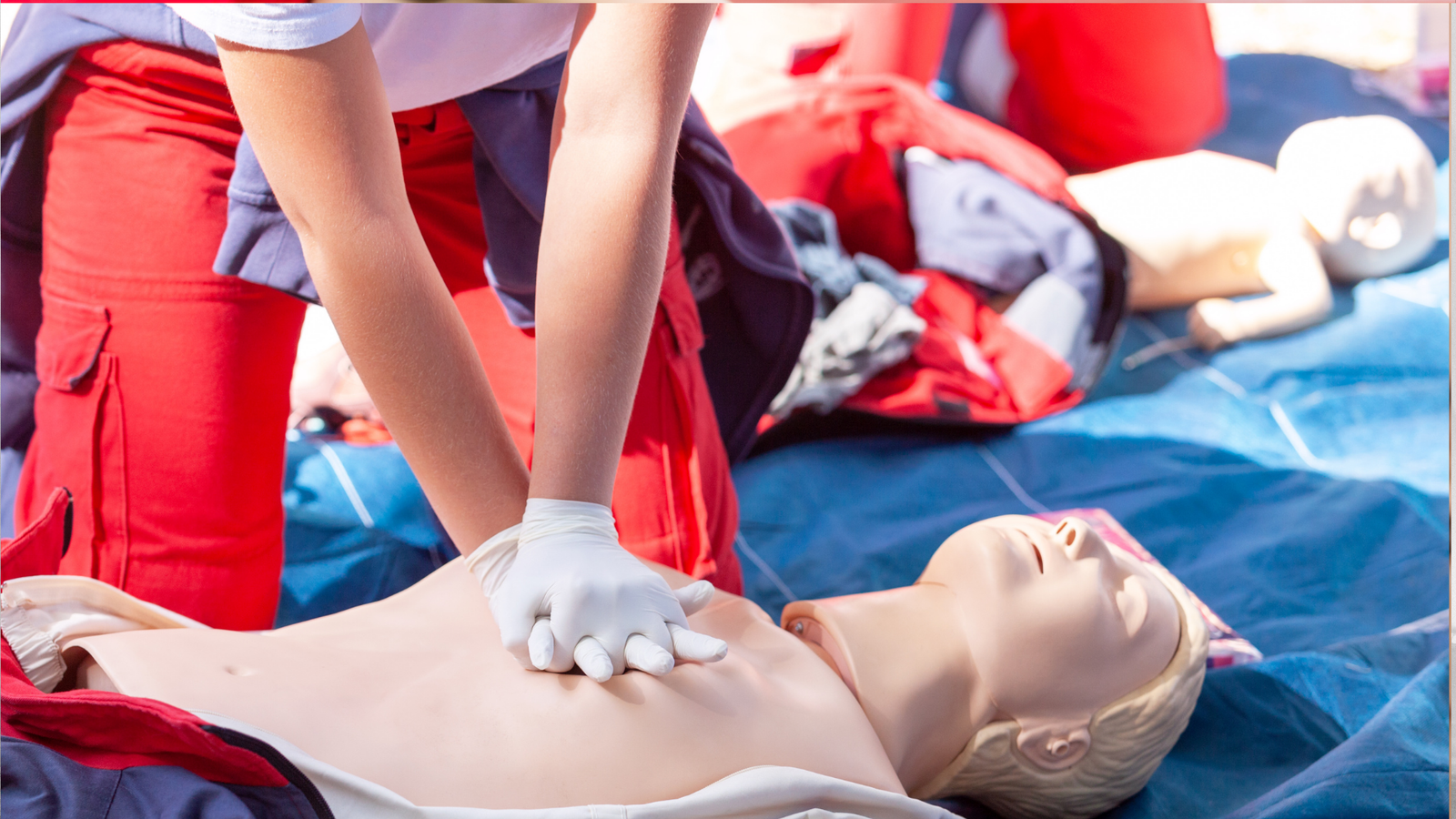
  • Performing CPR (HLTAID009) and using a defibrillator if needed
  • How to manage electrical burns

LVR must be renewed every 12 months. This requirement exists because hands-on CPR and rescue skills degrade rapidly without regular practice. A certificate that is two or three years old is not adequate — even if the holder has completed general first aid training more recently.

How Many First Aiders Do You Need?

The Safe Work Australia Code uses a tiered approach based on worksite size and risk level.

For high risk workplaces — which electrical worksites are classified as — the requirements are:

  • 10 or fewer workers: at least 1 trained first aider
  • More than 10 workers: at least 1 first aider per 25 workers

That means if you have a crew of 12 on site, you need at least 1 trained first aider present. For a crew of 30, you need at least 2.

These are minimum requirements. The Code also expects you to consider the likelihood and severity of potential injuries, how quickly emergency services can reach the site, and whether shift arrangements could leave workers without access to a trained first aider at any time.

Remote or regional electrical work — such as infrastructure projects well outside metropolitan areas — warrants additional consideration given extended emergency response times. In those situations, having a higher ratio of first aiders, or additional equipment such as a defibrillator, is strongly advisable.

First Aid Kits for Electrical Worksites

Standard first aid kits are not always sufficient for electrical work. WorkSafe Victoria and Safe Work Australia recommend that kits be stocked based on the specific hazards present at your worksite.

For electrical worksites, this typically means including:

  • Burn dressings — electrical burns can be deep and extensive even when they look minor on the surface
  • Eye wash equipment — arc flash incidents can cause serious eye injuries
  • Emergency foil blankets — to manage shock following an electrical incident
  • CPR face shields and gloves — for performing first aid safely
  • A portable defibrillator (AED) — cardiac arrest following electrocution can occur even with low-voltage exposure

Automated External Defibrillators are not legally required on all worksites, but Safe Work Australia notes that early defibrillation significantly increases survival rates from cardiac arrest. For worksites where electrical shock is a genuine risk, having an AED on hand is best practice and increasingly expected in the industry.

What About Subcontractors and Labour Hire?

A common area of confusion is how WHS obligations apply when subcontractors or labour hire workers are on site.

Under the WHS Act, a PCBU can share duties with another PCBU. This means that both the head contractor and the subcontractor may have obligations to provide first aid — and both can be held responsible if those obligations are not met.

As a practical matter, do not assume the principal contractor has first aid covered unless you have confirmed this in writing. If your crew is on a joint site, clarify who is responsible for first aid provisions before work begins.

Keeping Records

Compliance is not just about having a trained first aider on site — it is about being able to demonstrate that your training is current and your equipment is maintained.

Keep records of:

  • First aid training certificates (including LVR) for all relevant workers
  • First aid kit inspection dates and restocking records
  • Any workplace incidents that required first aid, including the response taken
  • Your first aid risk assessment for each worksite type

WorkSafe Victoria inspectors can request this information during a site inspection. Having organised records on hand is far easier than trying to reconstruct them after the fact.

Stay Compliant With AB First Aid

Whether you need LVR renewal, a full first aid certificate, or a training day for your whole crew, AB First Aid in Tullamarine offers practical, nationally recognised courses tailored to trades and construction industries. Training is hands-on, no-nonsense, and built for people who work in the real world — not a classroom lecture.

Book your first aid training or view the course schedule and enrol at AB First Aid.

References

  • Safe Work Australia. (2021). First Aid in the Workplace: Code of Practice. https://www.safeworkaustralia.gov.au/doc/first-aid-workplace-code-practice
  • Safe Work Australia. (2020). Managing Electrical Risks in the Workplace: Code of Practice. https://www.safeworkaustralia.gov.au/doc/managing-electrical-risks-workplace-code-practice
  • Energy Safe Victoria. Electrical Licences and Registration. https://www.esv.vic.gov.au/licences-registration/
  • WorkSafe Victoria. First Aid in the Workplace. https://www.worksafe.vic.gov.au/first-aid-workplace
  • Safe Work Australia. Work Health and Safety Regulations 2011. https://www.legislation.gov.au/Details/F2011L02664

Empower Yourself with Essential Life-Saving Skills
Join the most trusted provider of first aid, CPR, and emergency response training in Melbourne & Tullamarine—AB First Aid. We offer expert courses designed to equip you with the knowledge and confidence to act in critical situations, from first aid to advanced safety protocols.

Whether you’re looking to book into our public courses or arrange on-site training for your team, we provide flexible, hands-on learning experiences that prepare you to make a real difference when it matters most.

Take action today, and become a lifesaver tomorrow!