
Burns are one of the most common childhood injuries seen in childcare settings. Hot drinks, ovens, steam, and other heat sources can cause serious harm to young children — and the way you respond in the first few minutes can make a real difference to how well the injury heals.
This guide walks through the current best-practice approach to burn first aid in childcare, based on Australian guidelines from the Australian and New Zealand Burns Association (ANZBA) and the Australian Resuscitation Council (ARC).
Why Burns Are a Higher Risk in Childcare Settings
Young children have thinner, more sensitive skin than adults. This means the same heat source that would cause a minor burn in an adult can cause a far more serious injury in a toddler or infant. A spilled cup of tea, a hot pot on a low shelf, or a poorly supervised moment near a heat source can result in a burn requiring hospital care.
According to the Australian and New Zealand Burns Association (ANZBA), children under five are among the highest-risk groups for scalds — burns caused by hot liquids or steam. In childcare environments, scalds are the most common burn type. That makes first aid training for childcare workers especially important.
The Golden Rule: 20 Minutes of Cool Running Water
The single most important thing you can do for a burn is cool it — immediately and for a full 20 minutes under cool (not cold) running water.
Current first aid guidelines from ANZBA and the Australian Resuscitation Council are clear:
- Cool the burn for 20 minutes under cool running water
- Start cooling as soon as possible — the sooner you begin, the greater the benefit
- Do NOT use ice, iced water, butter, toothpaste, or any other substance
- Do NOT use very cold water (below 15°C), which can cause hypothermia in small children
This 20-minute window matters. Research shows that cooling within the first three hours of a burn can continue to reduce tissue damage, but starting immediately after the injury makes the biggest difference. If you’re unsure how long it’s been, cool it anyway.
Step-by-Step: Responding to a Burn in Childcare
Step 1: Ensure safety
Remove the child from the source of the burn. If clothing is on fire, use stop-drop-roll. Never pull off clothing that has melted or stuck to skin.
Step 2: Cool the burn immediately
Hold the affected area under cool running water for 20 minutes. For burns to the face, use a wet cloth or gentle pouring of water. Keep the rest of the child warm — use a dry towel or blanket over other parts of the body to prevent hypothermia, especially in infants and toddlers.
Step 3: Remove jewellery and clothing near the burn
Remove watches, rings, and clothing near the burned area — but only if they haven’t melted onto the skin. Swelling develops quickly and tight items can restrict circulation.
Step 4: Cover the burn
After cooling, loosely cover the burn with a non-adherent dressing, cling film (laid flat, not wrapped tightly), or a clean plastic bag. Do not use fluffy materials like cotton wool — fibres can stick to the wound and complicate wound care.
Step 5: Seek medical attention
Call 000 for serious burns, or take the child to the nearest emergency department. Do not delay for burns to the face, hands, feet, genitals, or joints. Burns larger than approximately 1% of the child’s body surface area (roughly the size of the child’s palm) should be assessed by a doctor.
Step 6: Notify the family
Childcare services are legally required to notify parents or guardians of any injury requiring medical attention. Document the incident thoroughly in your incident register, in accordance with the Education and Care Services National Law.
When to Call 000 Immediately
Some burns are medical emergencies. Call triple zero (000) straight away if:
- The burn covers a large area of the body
- The burn is on the face, neck, hands, feet, or genitals
- The child has inhaled smoke or hot air
- The burn appears deep — pale, waxy, or leathery in appearance, or the child says they can’t feel anything in the area
- The child is an infant under 12 months
- You are unsure about the severity
In childcare settings, it’s better to call for help and not need it than to wait and be wrong. When in doubt, call.
What NOT to Do
A lot of first aid mythology surrounds burns. To be direct — educators should never:
- Apply butter, oils, creams, or toothpaste — these trap heat and significantly increase infection risk
- Use ice directly on a burn — it can cause frostbite and worsen tissue damage
- Break blisters — they are protecting the wound underneath
- Use fluffy dressings, cotton wool, or any material that can stick to the skin
- Give the child aspirin — it is not appropriate for children under 16
These are persistent myths, but they cause real harm. Cool running water for 20 minutes is what the evidence supports.
What Childcare Regulations Say About First Aid Readiness
The Education and Care Services National Law and Regulations require all childcare services to maintain adequate first aid provisions at all times. Key requirements include:
- At least one staff member with current first aid, anaphylaxis, and asthma management training must be present or within reasonable proximity at all times
- Training requirements are set by ACECQA and are most commonly met through HLTAID012 — Provide First Aid in an Education and Care Setting
- Services must maintain current, accessible first aid kits appropriate to the service’s risk profile
The Australian Children’s Education and Care Quality Authority (ACECQA) provides detailed guidance on these requirements as part of the National Quality Framework. Ensuring your team’s training is current isn’t just good practice — it’s a legal requirement.
How Hands-On Training Makes the Difference
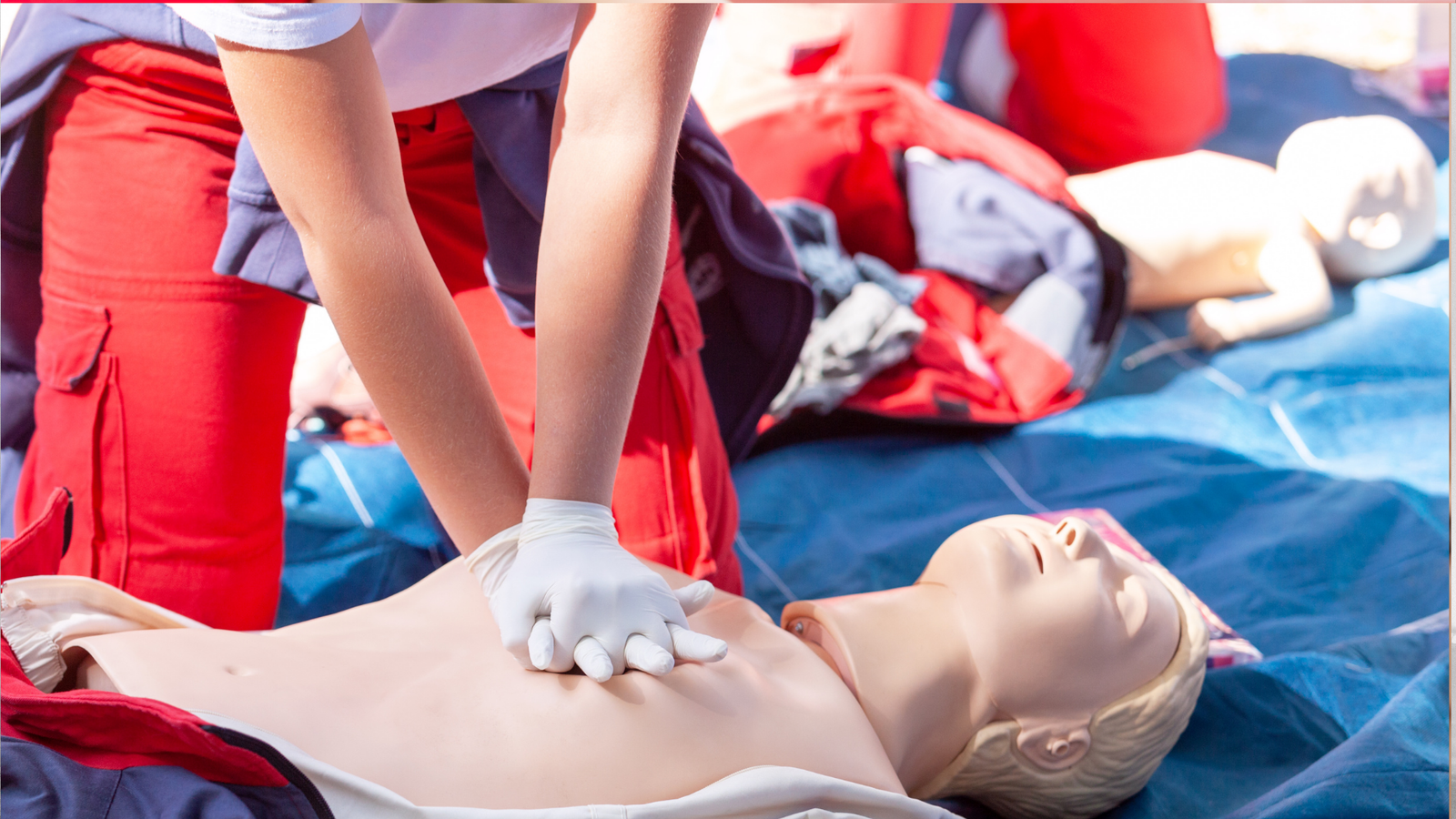
Knowing what to do in theory is one thing. Being able to act calmly and correctly under pressure — with a distressed child in front of you — is another. That’s what first aid training builds: the muscle memory and confidence to respond well in the moment.
For childcare educators, HLTAID012 — Provide First Aid in an Education and Care Setting — covers paediatric-specific first aid, including burns, choking, anaphylaxis management, and CPR on infants and children. It’s designed for the real conditions educators face, not a generic workplace course.
Regular refresher training also matters. First aid guidelines are updated as new evidence emerges, and skills fade without practice. Scheduling training every one to three years keeps your team ready.
References
- Australian and New Zealand Burns Association (ANZBA). First Aid Management of Burns. anzba.org.au
- Australian Resuscitation Council (ARC). Guideline 9.3.2 — Burns. resus.org.au
- Australian Children’s Education and Care Quality Authority (ACECQA). Guide to the Education and Care Services National Law and the Education and Care Services National Regulations. acecqa.gov.au
- St John Ambulance Australia. Burns First Aid Fact Sheet. stjohn.org.au
- Safe Work Australia. First Aid in the Workplace Code of Practice. safeworkaustralia.gov.au
Ready to Train Your Team?
If your childcare service needs first aid training that genuinely prepares educators for real emergencies, book your first aid training with AB First Aid in Tullamarine. Our HLTAID012 course is designed specifically for early childhood educators — practical, engaging, and built around the scenarios you actually face at work.