
Head Injuries at School: A Step-by-Step First Aid Guide for Staff

A student falls from playground equipment. A collision happens on the oval during sport. A Year 9 student catches an elbow during a basketball drill. Head injuries at school happen more often than most staff realise — and when they do, how the first few minutes are managed matters a great deal.

This guide walks through exactly what school staff should do when a student sustains a head injury, from the moment it happens to when parents and emergency services are contacted.

Why Head Injuries Deserve Serious Attention

Not every bump to the head is an emergency — but every head injury needs to be assessed carefully. The challenge is that serious head injuries, including concussion and more severe traumatic brain injuries, don’t always look dramatic at first. A student might walk away from a collision, say they feel fine, and then deteriorate over the next hour.

According to the Australian Resuscitation Council (ARC), all head injuries should be treated with caution. Even what appears to be a minor knock can cause internal bleeding or concussion that worsens over time. Signs that develop after the initial injury — including vomiting, drowsiness, confusion, or unequal pupils — can indicate a serious problem.

Victorian schools operate under the Education and Training Reform Act and the Department of Education Victoria’s health support planning guidelines, which require schools to have a documented response for injuries including head trauma. First aid training relevant to this is not optional — it’s expected.

Step 1: Keep the Student Still and Calm

Your first priority after any head injury is to stop the student from moving unnecessarily. Do not let them “walk it off” immediately. Ask them to sit or lie still while you assess what has happened.

If they are unconscious or appear to have lost consciousness, do not move them unless there is immediate danger (such as traffic or fire). Call 000 immediately and follow ARC guidelines for an unresponsive patient: check for breathing, place them in the recovery position if breathing but unconscious, and be prepared to start CPR if they stop breathing.

Step 2: Call for Help

No matter how minor the injury looks, notify your school’s first aid officer or a qualified colleague straight away. Head injuries should never be managed alone. A second person is needed to contact parents and, if necessary, emergency services while you remain with the student.

If the student shows any of the following, call 000 without delay:

  • Loss of consciousness, even briefly
  • Seizure activity
  • Vomiting more than once
  • Severe or worsening headache
  • Difficulty speaking, walking, or staying awake
  • One pupil larger than the other
  • Clear fluid from the nose or ears
  • Visible wound or deformity to the skull

Step 3: Assess the Injury

While keeping the student calm, gently assess what happened and how they feel. Ask simple questions such as their name, where they are, and what day it is. Confusion or difficulty answering these questions is a red flag that warrants immediate medical attention.

Check for any visible wounds to the scalp. These can bleed heavily even when the underlying injury is minor, because the scalp has a rich blood supply. If there is bleeding, apply gentle, direct pressure with a clean cloth. Do not apply pressure if you suspect a skull fracture — if there is visible deformity or the wound appears deep, leave it and wait for emergency services.

Do not give the student painkillers such as aspirin or ibuprofen, as these can increase the risk of bleeding. Paracetamol is safer but always follow your school’s medication administration policy and contact parents before administering anything.

Step 4: Monitor for Concussion

Concussion is the most common head injury in school-aged children. It is a brain injury caused by a knock to the head that temporarily disrupts normal brain function. Symptoms can appear immediately or develop over several hours.

Signs of concussion include headache or pressure in the head, dizziness, feeling foggy or slowed down, sensitivity to light or noise, blurred vision, nausea, and difficulty concentrating or remembering what happened.

A student with suspected concussion should not return to physical activity that day under any circumstances. Sport Australia and the Australian Institute of Sport support a graduated return-to-activity protocol, and the Department of Education Victoria now expects schools to follow a formal return-to-learn and return-to-sport plan for any student who sustains a concussion. The student should remain under supervision and parents or guardians must be notified as soon as possible to arrange medical assessment.

Step 5: Document and Notify Parents

Every head injury at school needs to be documented, regardless of how minor it appears at the time. Record the time and circumstances of the incident, your observations, the actions you took, and who was contacted. This is important both for the student’s ongoing care and for meeting your school’s reporting obligations under DET Victoria guidance.

Parents must be notified of any head injury — even if the student seems completely fine. Symptoms of serious injury can appear hours after the initial knock, and parents need to know what to watch for overnight: unusual drowsiness, persistent vomiting, repeated complaints of headache, difficulty being woken, or any change in behaviour or coordination.

The Australian Concussion Guidelines for Youth and Community Sport recommend parents check in on a concussed child during the night to assess their responsiveness and orientation.

Why Regular Training Makes the Difference

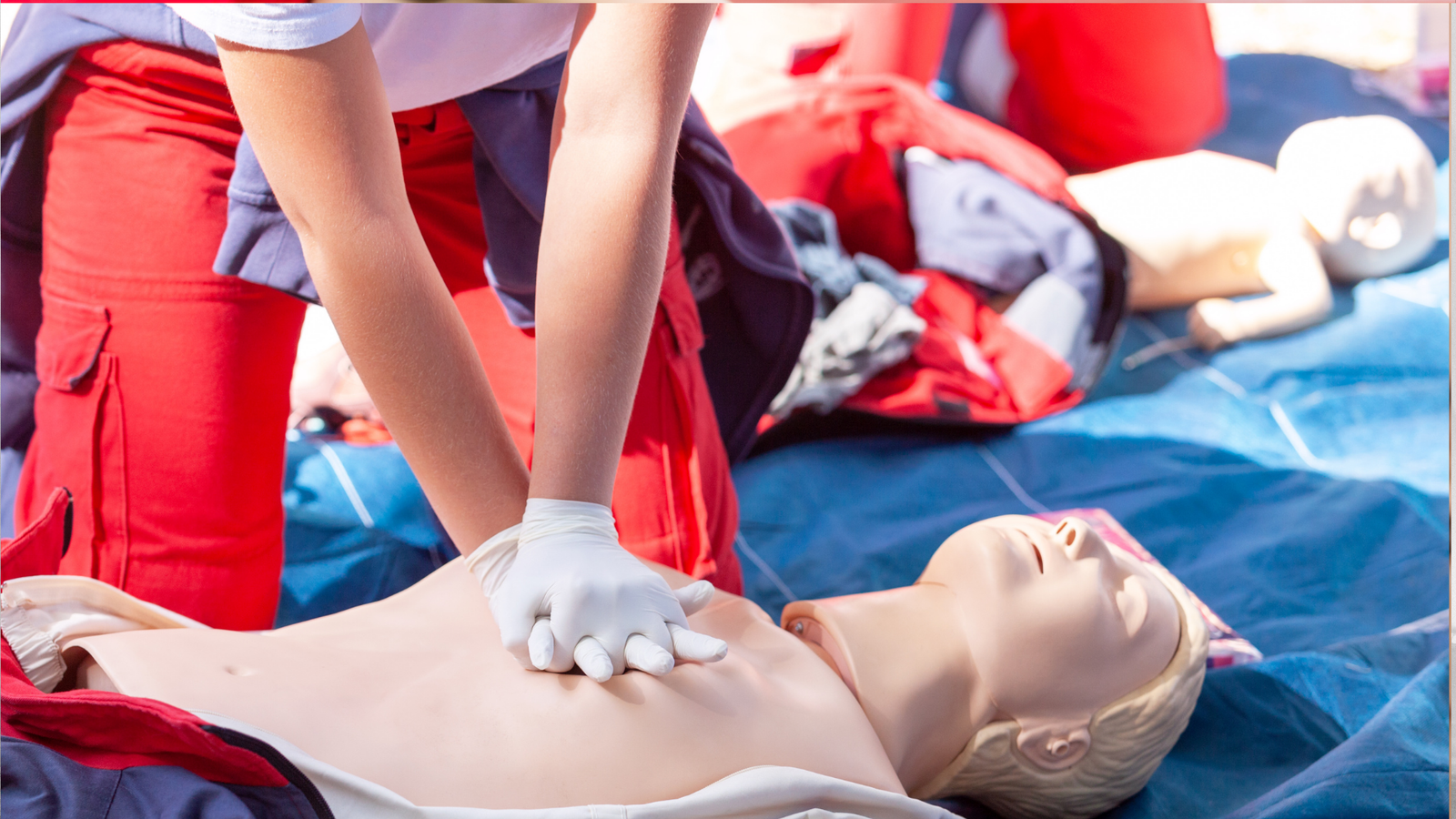
Knowing the steps above in theory is one thing. Being able to apply them calmly during a real injury — while managing a group of concerned students, contacting parents, and supporting a frightened child — requires practice and hands-on training.

The Australian Resuscitation Council recommends first aid skills be refreshed regularly, and the Department of Education Victoria expects staff in designated first aid roles to hold current, recognised qualifications. A certification that lapsed 18 months ago is not the same as being genuinely prepared.

At AB First Aid, we run practical, engaging first aid courses designed for school and education staff. Our trainers understand real school environments and cover scenarios like head injuries, concussion assessment, managing a student who loses consciousness, and knowing when to call 000. Our courses are delivered in Tullamarine and can be arranged for on-site school group training.

Be Ready Before It Happens

Head injuries do not give advance notice. The next time a student collides on the oval or falls from playground equipment, how that staff member responds in the first few minutes can make a real difference to that child’s outcome.

Book your first aid training with AB First Aid in Tullamarine and make sure your whole staff team is genuinely prepared. View our upcoming course schedule and enrol online today.

References

  • Australian Resuscitation Council (ARC). (2021). Guideline 9.1.1 — Basic Life Support. Retrieved from https://resus.org.au
  • Department of Education Victoria. (2024). Health support planning for students. Retrieved from https://www.education.vic.gov.au
  • Safe Work Australia. (2021). First Aid in the Workplace Code of Practice. Retrieved from https://www.safeworkaustralia.gov.au
  • WorkSafe Victoria. (2024). Managing health and safety in schools. Retrieved from https://www.worksafe.vic.gov.au
  • Sport Australia / Australian Institute of Sport. (2023). Australian Concussion Guidelines for Youth and Community Sport. Retrieved from https://www.sportaus.gov.au

Empower Yourself with Essential Life-Saving Skills
Join the most trusted provider of first aid, CPR, and emergency response training in Melbourne & Tullamarine—AB First Aid. We offer expert courses designed to equip you with the knowledge and confidence to act in critical situations, from first aid to advanced safety protocols.

Whether you’re looking to book into our public courses or arrange on-site training for your team, we provide flexible, hands-on learning experiences that prepare you to make a real difference when it matters most.

Take action today, and become a lifesaver tomorrow!