First Aid Compliance for Electrical Workers: What Victorian Regulations Actually Require
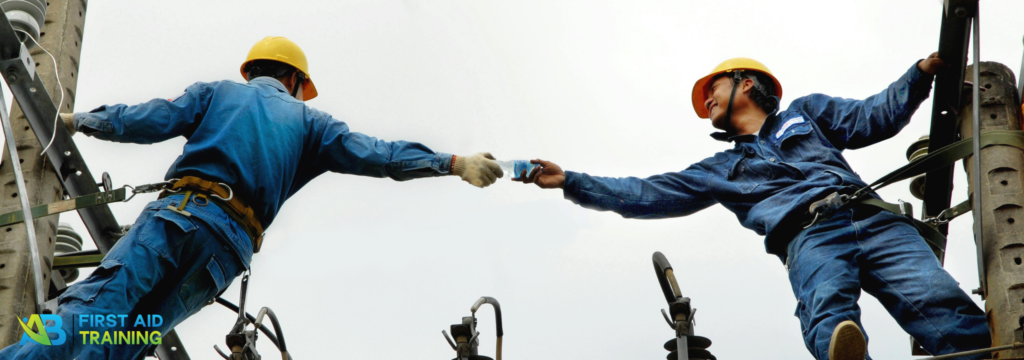
The electrical trade comes with genuine hazards — electric shock, arc flash, falls from height, and burns. But beyond the physical risks, there’s a compliance side that many workers and employers underestimate: what does the law actually say about first aid on electrical worksites?
If you’re an electrician, lineworker, or electrical contractor in Victoria, here’s what you need to know.
Why First Aid Compliance Matters for Electrical Workers
Electrical worksites are classified as high-risk under Australian work health and safety legislation. That classification carries specific obligations — not just about personal protective equipment and safe work method statements, but about first aid preparedness.
When something goes wrong on a worksite — and sometimes it does — the response in the first few minutes can determine whether someone survives. That’s not a worst-case hypothetical. It’s the reason first aid requirements exist in the first place.
The Legal Framework in Victoria
First aid requirements for Victorian workplaces are governed by two main instruments: the Work Health and Safety Act 2011 (Vic) and the Work Health and Safety Regulations 2017 (Vic). These place a duty on employers — referred to as persons conducting a business or undertaking (PCBUs) — to ensure that an adequate number of workers are trained in first aid, that first aid equipment is provided and maintained, and that workers have access to first aid facilities.
Regulation 42 of the WHS Regulations specifically requires PCBUs to:
- Provide first aid equipment appropriate to the workplace
- Ensure at least one worker at the workplace is trained in first aid, or that workers have access to someone who is
- Provide facilities for the administration of first aid
WorkSafe Victoria also publishes guidance on first aid in the workplace that translates these requirements into practical steps. For electrical contractors operating in Victoria, this guidance is the starting point for building a compliant first aid plan.
Safe Work Australia’s Code of Practice
Safe Work Australia’s First Aid in the Workplace Code of Practice (2021) provides detailed guidance that Victorian employers are expected to follow. The Code covers how to determine the type and number of first aiders needed, what should be in a first aid kit, and how to conduct a first aid needs assessment.
The Code identifies factors that increase first aid requirements, including:
- The nature of the work — electrical work is listed as higher risk
- The remoteness of the worksite from emergency services
- The number of workers and whether there are contractors on site
- Shift patterns and hours of work
For electrical contractors who send workers to remote areas, building sites with limited access, or locations far from ambulance services, these factors significantly increase the obligation to have trained first aiders on site. The Code recommends at least one trained first aider for every 10 to 25 workers in high-risk workplaces.
What Training Does the Law Expect?
The WHS Regulations don’t prescribe a specific qualification — they require that a person be “trained in first aid.” In practice, WorkSafe Victoria and Safe Work Australia both point to nationally recognised training units as the benchmark.
For electrical workers, the two most relevant units are:
- HLTAID011 Provide First Aid — covers CPR, AED use, wound management, burns, fractures, and shock. Valid for three years, with the CPR component refreshed annually.
- HLTAID009 Provide Cardiopulmonary Resuscitation — covers CPR and AED use only. Valid for one year.
For higher-risk environments or larger crews, some employers also arrange HLTAID014 Provide Advanced First Aid, which is suitable for appointed first aiders in workplaces where medical response times may be slow.
All reputable training providers deliver their courses aligned with guidelines from the Australian Resuscitation Council (ARC), which sets the standards for CPR and resuscitation training in Australia.
Who Is Responsible on a Multi-Employer Worksite?
On a multi-employer worksite — which is common in the electrical trade — responsibility for first aid can become complicated. The WHS Regulations address this directly: where multiple PCBUs share a workplace, they must consult, cooperate, and coordinate to ensure first aid obligations are met.
In practice, this means the principal contractor usually coordinates first aid arrangements for the site overall, but subcontractors remain responsible for their own workers. If you’re an electrical subcontractor, don’t assume the principal contractor has your workers covered. Check the site safety plan, confirm where first aid kits are located and who the site first aider is, and make sure your own obligations are documented.
First Aid Kits for Electrical Worksites
The Safe Work Australia Code of Practice includes guidance on first aid kit contents based on workplace risk. For electrical worksites, a standard kit should include items appropriate for burns, lacerations, and musculoskeletal injuries at minimum. Additional items worth considering include:
- Burns dressings — hydrogel-based dressings are appropriate for electrical and thermal burns
- Eye wash solution — arc flash and airborne debris are common hazards on electrical sites
- Resuscitation face shield for CPR
- Emergency blanket for shock management
Kits should be inspected regularly and restocked after use. WorkSafe Victoria recommends keeping a log of kit inspections, particularly on larger or longer-running sites.
Common Compliance Gaps
The most frequent compliance issues on electrical worksites include:
- Expired first aid certificates. HLTAID011 is valid for three years, with the CPR component refreshed annually. Many workplaces lose track of expiry dates until an audit or incident brings it to light.
- Inadequate kit contents. A basic household kit is not appropriate for an electrical worksite. The kit should reflect the specific hazards of the work.
- No documented first aid plan. Safe Work Australia recommends a written first aid procedure that workers can access. On many smaller jobs, this does not exist.
- First aider not on site. Having someone trained is only half the equation — they need to be present when other workers are on site.
Get Your Team Compliant Before the Next Job
Compliance isn’t just about avoiding fines. It’s about making sure your team can respond effectively when something goes wrong on site.
If your first aid certificates are due for renewal, or you’ve taken on new workers who aren’t yet trained, sort it out before the next job — not after an incident. Book your first aid training with AB First Aid and get your crew current with nationally recognised HLTAID011 and CPR courses, delivered in Tullamarine, Melbourne.
References
- Safe Work Australia, First Aid in the Workplace Code of Practice (2021). Available at safeworkaustralia.gov.au
- WorkSafe Victoria, First Aid in the Workplace. Available at worksafe.vic.gov.au
- Work Health and Safety Act 2011 (Vic). Available at legislation.vic.gov.au
- Work Health and Safety Regulations 2017 (Vic), Regulation 42. Available at legislation.vic.gov.au
- Australian Resuscitation Council (ARC), Guidelines for Resuscitation. Available at resus.org.au