Snake Bites and Creepy Crawlies: Staying Safe on Summer Walks
Spring and summer in Melbourne’s north-west are perfect for getting outdoors… until a rustle in the grass makes your heart stop.
From snakes on walking tracks to bees and bull ants in the backyard, this time of year brings plenty of unwanted wildlife encounters. Most are harmless, but a few can be dangerous if you’re not prepared.
Knowing what to do… and just as importantly, what not to do… can make all the difference when bites or stings happen.
Why Snakes Are More Active Now
Between October and March, snakes become more active as they hunt, mate, and bask in the sun. In areas like Brimbank Park, Woodlands Historic Park, and Keilor Park, sightings increase every year as people and snakes share the same open spaces.
Common species in Melbourne’s north-west include:
- Eastern Brown Snake – fast, nervous, and highly venomous
- Tiger Snake – found near water and wetlands
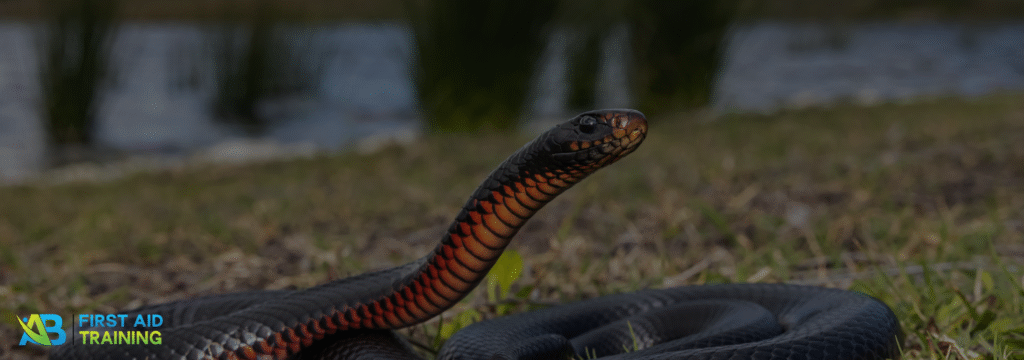
- Red-Bellied Black Snake – usually near creeks or rivers
All Victorian snakes are protected species, so the goal is avoidance, not confrontation.
If You See a Snake
- Stop and stay still. Most snakes will move away if they don’t feel threatened.
- Back away slowly… don’t make sudden movements.
- Never try to touch, chase, or kill a snake.
Many bites occur when people attempt to handle or harm them. - Warn others nearby and keep pets on a leash.
- Call a licensed snake catcher if it’s in a residential area.
If bitten, the treatment steps are completely different to what most people think — and time is critical.
Snake Bite First Aid: What to Do
- Call Triple Zero (000) immediately.
- Keep the person still and calm.
- Movement spreads venom faster through the lymphatic system.
- Reassure them and stop unnecessary motion.
- Apply a pressure immobilisation bandage (PIB).
- Start over the bite site with a firm bandage.
- Wrap down the limb and back up again to the groin or armpit.
- Apply another bandage to immobilise the entire limb.
- Mark the bite site on top of the bandage if known.
- Keep the person lying down.
Do not allow them to walk or move unless absolutely necessary. - Do NOT:
- Cut or suck the bite.
- Apply a tourniquet.
- Wash the bite site (hospitals use the venom for identification).
- Attempt to catch or kill the snake.
- Wait for paramedics.
Even if the person seems fine, symptoms can be delayed…always treat it as an emergency.
Common Signs of Snake Bite
Symptoms can vary depending on the snake and how much venom was injected, but typical signs include:
- Sudden collapse or confusion
- Difficulty breathing
- Nausea or vomiting
- Pain, tingling, or numbness
- Sweating or drowsiness
If any of these appear after a suspected bite, treat it as a medical emergency.
Spider Bites and Other Creepy Crawlies
Not every bite is dangerous, but some can cause severe reactions or allergic responses.
Redback Spider
- Small black spider with a red stripe on the abdomen.
- Common around sheds, outdoor furniture, and toys.
Symptoms: Local pain, sweating, nausea.
First Aid: - Wash area and apply a cold pack.
- Do not use a pressure bandage (unlike snake bites).
- Seek medical help if pain worsens or in young children.
White-Tail Spider
- Often blamed for tissue damage, but most bites are mild.
- Clean with water, apply ice, and monitor for infection.
Bee and Wasp Stings
- Remove stinger carefully by scraping sideways.
- Apply a cold pack and take antihistamines for swelling.
- Watch for signs of anaphylaxis: breathing difficulty, swelling of the face, hives, or collapse.
- Use an EpiPen if prescribed and call 000.
Bull Ants and Mosquitoes
- Clean the bite and apply a cold compress.
- Avoid scratching; use antihistamine cream if itchy.
Your “Creepy Crawlies” First Aid Kit
For bushwalks or park days, keep a small kit handy with:
- Pressure immobilisation bandage with indicator lines
- Adhesive bandages
- Antiseptic wipes
- Saline solution
- Instant cold pack
- Antihistamines
- Tweezers
- Insect repellent
- EpiPen (if prescribed)
- Small marker pen to mark bite site
- Emergency contact numbers
Keep the kit in a backpack or picnic bag, not the car — heat can damage medications and bandages.
Preventing Bites and Stings
Simple habits make a big difference:
- Stick to clear walking trails and avoid tall grass.
- Wear closed shoes and long pants when hiking.
- Shake out shoes, towels, and sleeping bags before use.
- Keep lawns short and gardens tidy to reduce snake hiding spots.
- Use insect repellent at dawn and dusk.
- Teach kids to look, not touch, when they see animals outdoors.
Local Areas to Be Cautious In
In Melbourne’s north-west, snake and insect encounters are most reported around:
- Brimbank Park – along the Maribyrnong River and trails.
- Woodlands Historic Park (Tullamarine) – grassy areas and creek beds.
- Keilor and Sunbury reserves – especially near long grass or water.
- Organ Pipes National Park – rocky areas and walking paths.
If bitten in one of these locations, always call 000… paramedics know these areas well and can direct you to the closest safe meeting point.
Did You Know?
- The Eastern Brown Snake causes the most snakebite deaths in Australia, but thanks to fast treatment and antivenom, fatal cases are now rare.
- Around 3,000 people are bitten by snakes each year, yet most recover fully with correct first aid.
- Most bites occur when people try to handle or kill snakes… leaving them alone is the safest choice.
Stay Alert, Not Afraid
Snakes, spiders, and insects are a normal part of the Australian outdoors.
With the right knowledge, there’s no reason to avoid summer walks or backyard fun.
A calm, confident response and a simple pressure bandage can save a life.
So before you hit the trails, check your first aid kit, know your local emergency spots, and enjoy everything our parks and bushland have to offer.
References and Resources
- Better Health Channel – Snake Bites
- Healthdirect – Bites and Stings
- Royal Flying Doctor Service – Pressure Immobilisation Technique
- Parks Victoria – Safety Around Snakes