Outside School Hours Care (OSHC) services sit in a unique position in the education and care landscape. They operate in school environments but under a different regulatory framework, serve children across a wide age range, and often run with lean staffing. When a medical emergency happens, there is no school nurse down the corridor. Your educators are the first responders — and what they do in those first few minutes matters enormously.
Understanding what ACECQA and the National Quality Framework require of OSHC services when it comes to first aid is not just a compliance exercise. It is the foundation of a safe environment for the children in your care.
What OSHC Services Are Required to Have Under the NQF
Outside School Hours Care services are regulated under the Education and Care Services National Law and the Education and Care Services National Regulations. The Australian Children’s Education and Care Quality Authority (ACECQA) oversees these standards nationally, with state regulators — including the Department of Education and Training Victoria — enforcing them locally.
Under Regulation 136, at least one educator with a current first aid qualification must be present at all times when children are being educated and cared for. This applies during every session: before-school care, after-school care, and vacation care programs. It is not a threshold triggered by a certain number of children — it is a constant baseline requirement.
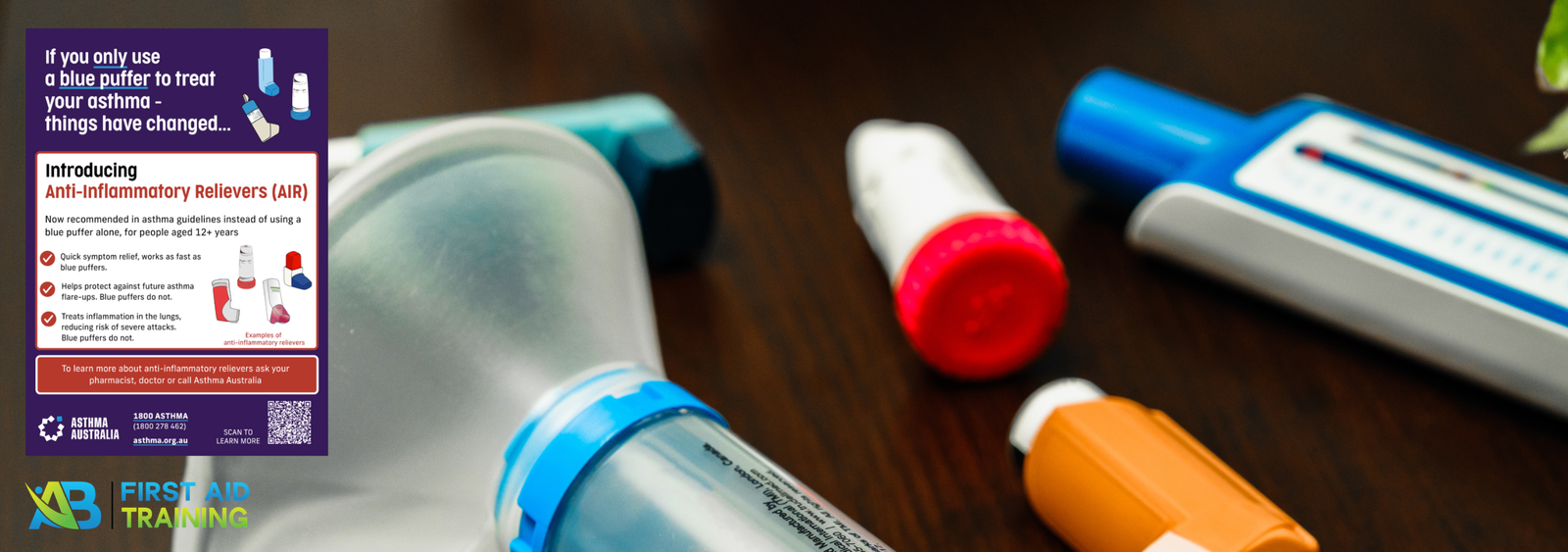
In addition, the service must ensure that at least one person with current anaphylaxis management training and one person with current emergency asthma management training are on site whenever children are present. In practice, many services require all educators to hold all three qualifications rather than relying on one person to cover multiple requirements — particularly given the realities of leave, illness, and shift changes.
Approved First Aid Qualifications for OSHC Educators
Not all first aid certificates satisfy the NQF requirement. Services must ensure their educators hold an approved first aid qualification — typically HLTAID012 (Provide First Aid in an Education and Care Setting) or an equivalent approved unit. This training must come from a registered training organisation (RTO) and be current.
The Australian Resuscitation Council (ARC) recommends annual CPR skills practice to maintain competency, and the full first aid qualification is generally renewed every three years. ACECQA publishes an up-to-date list of approved qualifications, anaphylaxis management training options, and emergency asthma management training options. Services should verify their certificates against the current approved list, particularly following regulatory updates.
First Aid Policies and Procedures: What the NQF Requires
First aid competency alone is not enough. OSHC services are also required under the National Regulations to have documented policies and procedures covering the administration of medication to children, management of incidents and emergencies, anaphylaxis and asthma management including risk minimisation plans for individual children, and the management of other medical conditions where a child is identified as at risk.
These policies need to be current, accessible to all staff, and reviewed regularly. New educators — including casual and relief staff — must be inducted on the service procedures before working with children. This is an area that commonly receives attention from regulators during assessment visits, particularly where documentation is out of date or staff cannot locate relevant procedures quickly.
Staffing Ratios and the Practical Reality of First Aid Coverage
One of the most common compliance vulnerabilities in OSHC settings relates to ratios — specifically, the situation that arises when the one educator with current first aid qualifications calls in sick or leaves early. Services with lean staffing can find themselves technically meeting their child supervision ratios but not meeting their first aid coverage requirements.
A practical approach to managing this risk includes ensuring more than the minimum number of educators hold current qualifications, maintaining a relief and casual pool with appropriate credentials, and conducting regular audits of certificate currency so lapses are identified before they create coverage gaps.
Vacation care programs require particular attention. They often involve higher enrolments, extended hours, and higher-risk activities such as excursions, outdoor programs, and incursions with third-party providers. The first aid coverage requirement does not change — but the complexity of managing it does.
When a Medical Emergency Happens in OSHC
Medical emergencies in OSHC settings are not rare. Children in this age group are active, increasingly independent, and may arrive from school already unwell or with an undisclosed medical history. Common emergency presentations include anaphylaxis, asthma attacks, head injuries from falls and collisions, lacerations, and heat-related illness during outdoor vacation programs.
Educators who have trained recently are significantly better placed to respond calmly and correctly under pressure. First aid knowledge that has sat unused for two or three years is unreliable in a real emergency. Refreshing skills regularly — not only at the point of certificate expiry — is the approach recommended by ACECQA and St John Ambulance Australia.
Having a clear escalation protocol in place before an incident also makes a substantial difference. Who calls 000? Who stays with the child? Who contacts the family? Who manages the other children in the session? Walking through these steps as a team — rather than making decisions under pressure — improves outcomes considerably.
Training Your OSHC Team at AB First Aid
AB First Aid delivers practical, engaging first aid and emergency management training for OSHC educators and service coordinators across Melbourne and Victoria. Our trainers understand the compliance requirements under the NQF and the realities of working in an OSHC environment.
Whether you need to renew existing certificates, upskill new team members, or build a training plan that keeps your whole service current year-round, we can help. View our public course schedule or reach out to arrange group training at our Tullamarine training centre or at your service. Visit abfirstaid.com.au to book or find out more.
References
- Australian Children’s Education and Care Quality Authority (ACECQA). (2024). First aid qualifications — Approved qualifications. acecqa.gov.au
- Education and Care Services National Regulations. (2011, as amended). Regulation 136 — First aid qualifications. legislation.nsw.gov.au
- Australian Resuscitation Council (ARC). (2023). CPR training and recertification guidelines. resus.org.au
- St John Ambulance Australia. (2023). First aid in education and care settings. stjohn.org.au
- Department of Education and Training Victoria. (2024). Outside school hours care regulation and compliance. education.vic.gov.au
- Safe Work Australia. (2022). First Aid in the Workplace — Code of Practice. safeworkaustralia.gov.au