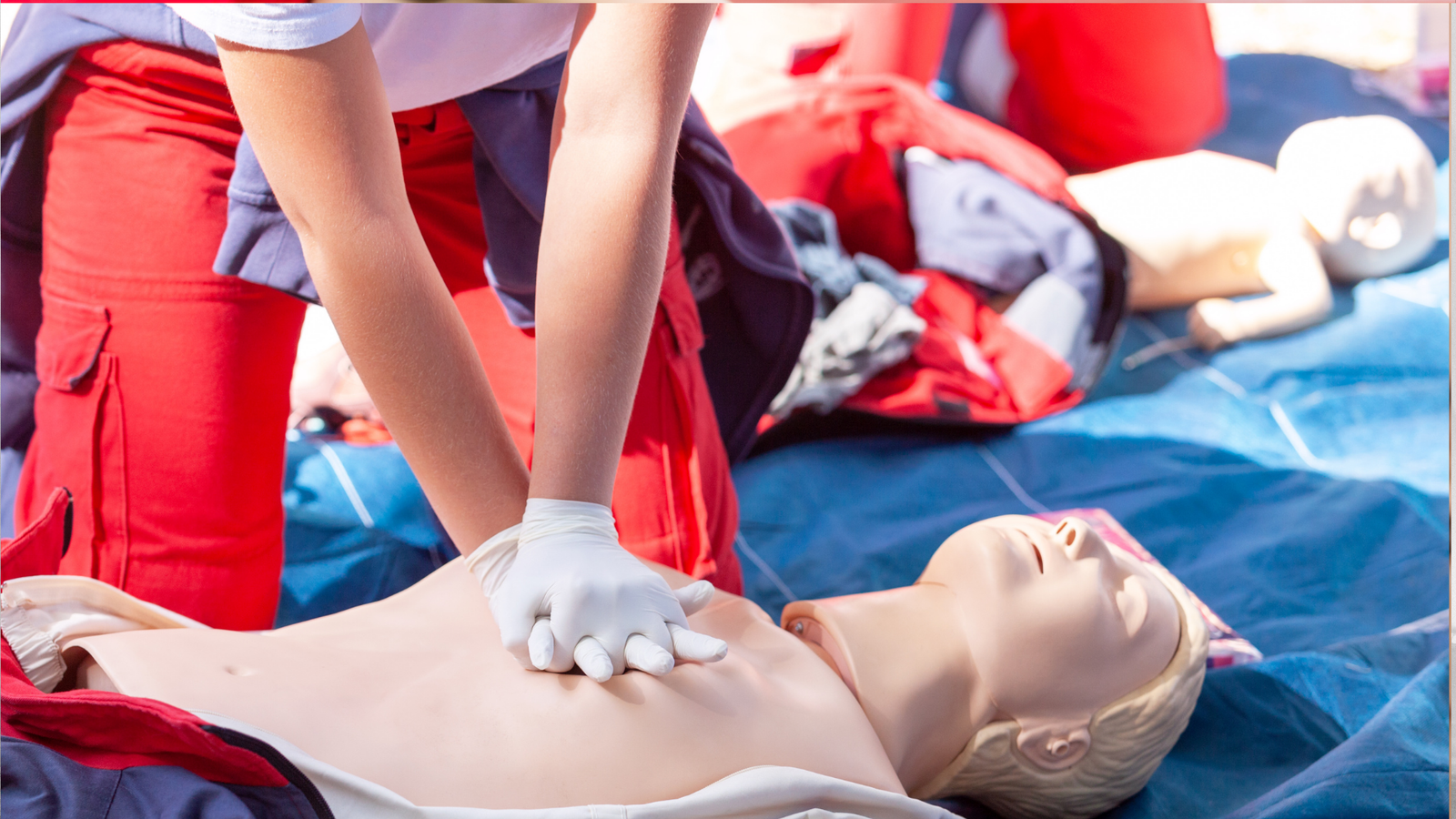

When a Toddler Has a Febrile Convulsion at Childcare: A Real-World First Aid Scenario
It starts the way most emergencies do — without warning. One moment everything is normal. The next, a toddler in your care is on the floor, shaking.
Febrile convulsions affect up to 5% of children aged six months to six years, and in a childcare setting with multiple rooms and high enrolments, the question is not if you will face one — it is when. Knowing how to respond makes all the difference.
This scenario walks through a febrile convulsion at a licensed Melbourne childcare centre, what a well-trained team does in response, and what happens when first aid knowledge is current and accessible.
The Scenario: 10:45am on a Tuesday
Priya is a room leader in a toddler room at a childcare centre in Melbourne’s northern suburbs. There are 11 children in the room and three educators on shift. A two-year-old boy, Luca, has been off all morning — quieter than usual, warm to the touch, and not very interested in morning tea.
At 10:45am, Priya notices Luca has slumped sideways on the mat. His arms and legs are jerking rhythmically. His eyes are rolled back. He is unresponsive.
A febrile convulsion has begun.
The First 30 Seconds
Priya’s immediate response sets the tone for everything that follows.
She does not panic, and she does not attempt to restrain Luca’s limbs — a common mistake made by those without first aid training. She does not put anything in his mouth. She calls to her colleague Jade to manage the other children and move them away from the area. Her third colleague, Ben, is directed to call 000 immediately.
Priya checks the time. Knowing how long the convulsion lasts is clinically important — it is one of the first questions paramedics will ask.
She clears the area around Luca of hard objects and places a folded blanket under his head. She stays with him, monitoring his breathing, and does not attempt to hold him still.
Managing the Convulsion
The convulsion lasts approximately 90 seconds. Most febrile convulsions resolve within one to two minutes on their own. If a convulsion continues beyond five minutes, this is considered status epilepticus — a medical emergency requiring immediate escalation beyond the standard 000 response.
As the shaking slows and stops, Priya rolls Luca into the recovery position to keep his airway clear and allow any secretions to drain. She continues monitoring his breathing and level of consciousness while Ben remains on the phone with the 000 operator.
The centre’s emergency contact folder is retrieved. Luca’s enrolment records show no known history of febrile convulsions, no diagnosed epilepsy, and no specific medical management plan for seizures.
After the Convulsion Stops
Luca is drowsy and confused — a normal post-ictal phase that can last several minutes after a convulsion. He is breathing but largely unresponsive to voice. Priya maintains the recovery position, keeps him warm with a light blanket, and continues observing.
Jade has moved the other children to the outdoor area with support from the centre director, who arrived in the room within two minutes. The director contacts Luca’s parents and waits for their response.
Paramedics arrive seven minutes after the 000 call. They assess Luca, take a temperature reading of 39.4°C, and confirm a febrile convulsion consistent with a viral infection. Luca is transported to hospital for observation and is discharged the same afternoon, fully recovered.
What Made the Difference
After the incident, the centre director reflected on the team’s response. Several factors stood out.
Priya had completed her Provide First Aid (HLTAID011) training within the past 12 months. Her knowledge of what to do — and what not to do — during a convulsion meant she avoided restraining Luca or placing anything in his mouth, both of which can cause injury and are common responses from untrained staff.
The centre had a clear emergency response procedure and all educators understood their roles. The 000 call was made within 30 seconds of the convulsion being recognised. The emergency contacts folder was accessible, up to date, and used correctly under pressure.
The team had also practised its emergency protocols at a staff meeting three months earlier — prompted by their annual first aid training renewal.
What the Regulations Say
Under the Education and Care Services National Regulations, early childhood education and care (ECEC) services in Victoria are required to ensure at least one educator with a current approved first aid qualification, asthma management qualification, and anaphylaxis management qualification is present whenever children are in attendance.
The Australian Children’s Education and Care Quality Authority (ACECQA) outlines that approved first aid qualifications must be renewed every three years, with CPR updated annually. The National Quality Standard (Quality Area 2) requires services to have policies and procedures for medical conditions and emergencies, including seizure management.
Safe Work Australia and the Department of Education Victoria (DET Victoria) both recommend that all staff in children’s services — not only the designated first aid officer — hold current first aid training. Emergencies rarely happen at convenient times or when the designated person is nearby.
Lessons From the Room
Febrile convulsions are frightening precisely because of how sudden and physical they are. A child who was playing normally an hour earlier is now lying on the floor, unresponsive and shaking. The instinct to do something — to grab, to hold, to stop it — is overwhelming without training.
First aid training does not only teach you what to do. It builds the calm. It develops the practical responses that allow educators to act clearly in the most stressful moments of their working lives — and to protect the children in their care in the process.
In Priya’s case, her training gave her the tools to protect Luca from injury during the convulsion, collect the right information for paramedics, and support her team through a frightening incident with confidence and care.
Make Sure Your Team Is Ready
You cannot predict when a febrile convulsion, severe allergic reaction, or other medical emergency will happen in your centre. You can, however, make sure your team is prepared to respond correctly when it does.
AB First Aid offers nationally recognised first aid training for childcare educators and early childhood education and care teams throughout Tullamarine and greater Melbourne. Our courses are practical, engaging, and built around the real situations your team faces every day.
To keep your centre compliant and your team confident, book your first aid training with AB First Aid today.
References
- Australian Children’s Education and Care Quality Authority (ACECQA). First Aid Requirements. www.acecqa.gov.au
- Education and Care Services National Regulations 2011 (Cth), regs 136–137.
- Department of Education Victoria (DET Victoria). Health Support Planning in ECEC Services. www.education.vic.gov.au
- The Royal Children’s Hospital Melbourne. Clinical Practice Guideline: Febrile Convulsion. www.rch.org.au/clinicalguide
- Australian Resuscitation Council (ARC). Guideline 9.2.4 – Management of Seizures. www.resus.org.au
- Safe Work Australia. First Aid in the Workplace: Code of Practice. www.safeworkaustralia.gov.au
Book A Course
Recent Blogs
- All Posts
- Compliance
- First Aid

Australia’s asthma guidelines have changed. Learn what AIR therapy means and why blue puffers alone are no longer recommended for...

Australia’s asthma guidelines have changed. Learn what AIR therapy means and why blue puffers alone are no longer recommended for...

Australia’s asthma guidelines have changed. Learn what AIR therapy means and why blue puffers alone are no longer recommended for...
AB First Aid Training & Compliance
When a Toddler Has a Febrile Convulsion at Childcare: A Real-World First Aid Scenario
It starts the way most emergencies do — without warning. One moment everything is normal. The next, a toddler in your care is on the floor, shaking.
Febrile convulsions affect up to 5% of children aged six months to six years, and in a childcare setting with multiple rooms and high enrolments, the question is not if you will face one — it is when. Knowing how to respond makes all the difference.
This scenario walks through a febrile convulsion at a licensed Melbourne childcare centre, what a well-trained team does in response, and what happens when first aid knowledge is current and accessible.
The Scenario: 10:45am on a Tuesday
Priya is a room leader in a toddler room at a childcare centre in Melbourne’s northern suburbs. There are 11 children in the room and three educators on shift. A two-year-old boy, Luca, has been off all morning — quieter than usual, warm to the touch, and not very interested in morning tea.
At 10:45am, Priya notices Luca has slumped sideways on the mat. His arms and legs are jerking rhythmically. His eyes are rolled back. He is unresponsive.
A febrile convulsion has begun.
The First 30 Seconds
Priya’s immediate response sets the tone for everything that follows.
She does not panic, and she does not attempt to restrain Luca’s limbs — a common mistake made by those without first aid training. She does not put anything in his mouth. She calls to her colleague Jade to manage the other children and move them away from the area. Her third colleague, Ben, is directed to call 000 immediately.
Priya checks the time. Knowing how long the convulsion lasts is clinically important — it is one of the first questions paramedics will ask.
She clears the area around Luca of hard objects and places a folded blanket under his head. She stays with him, monitoring his breathing, and does not attempt to hold him still.
Managing the Convulsion
The convulsion lasts approximately 90 seconds. Most febrile convulsions resolve within one to two minutes on their own. If a convulsion continues beyond five minutes, this is considered status epilepticus — a medical emergency requiring immediate escalation beyond the standard 000 response.
As the shaking slows and stops, Priya rolls Luca into the recovery position to keep his airway clear and allow any secretions to drain. She continues monitoring his breathing and level of consciousness while Ben remains on the phone with the 000 operator.
The centre’s emergency contact folder is retrieved. Luca’s enrolment records show no known history of febrile convulsions, no diagnosed epilepsy, and no specific medical management plan for seizures.
After the Convulsion Stops
Luca is drowsy and confused — a normal post-ictal phase that can last several minutes after a convulsion. He is breathing but largely unresponsive to voice. Priya maintains the recovery position, keeps him warm with a light blanket, and continues observing.
Jade has moved the other children to the outdoor area with support from the centre director, who arrived in the room within two minutes. The director contacts Luca’s parents and waits for their response.
Paramedics arrive seven minutes after the 000 call. They assess Luca, take a temperature reading of 39.4°C, and confirm a febrile convulsion consistent with a viral infection. Luca is transported to hospital for observation and is discharged the same afternoon, fully recovered.
What Made the Difference
After the incident, the centre director reflected on the team’s response. Several factors stood out.
Priya had completed her Provide First Aid (HLTAID011) training within the past 12 months. Her knowledge of what to do — and what not to do — during a convulsion meant she avoided restraining Luca or placing anything in his mouth, both of which can cause injury and are common responses from untrained staff.
The centre had a clear emergency response procedure and all educators understood their roles. The 000 call was made within 30 seconds of the convulsion being recognised. The emergency contacts folder was accessible, up to date, and used correctly under pressure.
The team had also practised its emergency protocols at a staff meeting three months earlier — prompted by their annual first aid training renewal.
What the Regulations Say
Under the Education and Care Services National Regulations, early childhood education and care (ECEC) services in Victoria are required to ensure at least one educator with a current approved first aid qualification, asthma management qualification, and anaphylaxis management qualification is present whenever children are in attendance.
The Australian Children’s Education and Care Quality Authority (ACECQA) outlines that approved first aid qualifications must be renewed every three years, with CPR updated annually. The National Quality Standard (Quality Area 2) requires services to have policies and procedures for medical conditions and emergencies, including seizure management.
Safe Work Australia and the Department of Education Victoria (DET Victoria) both recommend that all staff in children’s services — not only the designated first aid officer — hold current first aid training. Emergencies rarely happen at convenient times or when the designated person is nearby.
Lessons From the Room
Febrile convulsions are frightening precisely because of how sudden and physical they are. A child who was playing normally an hour earlier is now lying on the floor, unresponsive and shaking. The instinct to do something — to grab, to hold, to stop it — is overwhelming without training.
First aid training does not only teach you what to do. It builds the calm. It develops the practical responses that allow educators to act clearly in the most stressful moments of their working lives — and to protect the children in their care in the process.
In Priya’s case, her training gave her the tools to protect Luca from injury during the convulsion, collect the right information for paramedics, and support her team through a frightening incident with confidence and care.
Make Sure Your Team Is Ready
You cannot predict when a febrile convulsion, severe allergic reaction, or other medical emergency will happen in your centre. You can, however, make sure your team is prepared to respond correctly when it does.
AB First Aid offers nationally recognised first aid training for childcare educators and early childhood education and care teams throughout Tullamarine and greater Melbourne. Our courses are practical, engaging, and built around the real situations your team faces every day.
To keep your centre compliant and your team confident, book your first aid training with AB First Aid today.
References
- Australian Children’s Education and Care Quality Authority (ACECQA). First Aid Requirements. www.acecqa.gov.au
- Education and Care Services National Regulations 2011 (Cth), regs 136–137.
- Department of Education Victoria (DET Victoria). Health Support Planning in ECEC Services. www.education.vic.gov.au
- The Royal Children’s Hospital Melbourne. Clinical Practice Guideline: Febrile Convulsion. www.rch.org.au/clinicalguide
- Australian Resuscitation Council (ARC). Guideline 9.2.4 – Management of Seizures. www.resus.org.au
- Safe Work Australia. First Aid in the Workplace: Code of Practice. www.safeworkaustralia.gov.au
Have You Read These Articals Yet?
- All Posts
- Compliance
- First Aid

Australia’s asthma guidelines have changed. Learn what AIR therapy means and why blue puffers alone are no longer recommended for...

Australia’s asthma guidelines have changed. Learn what AIR therapy means and why blue puffers alone are no longer recommended for...

Australia’s asthma guidelines have changed. Learn what AIR therapy means and why blue puffers alone are no longer recommended for...