First Aid Compliance for Childcare Services: What Australian Providers Need to Know

Compliance,  First Aid

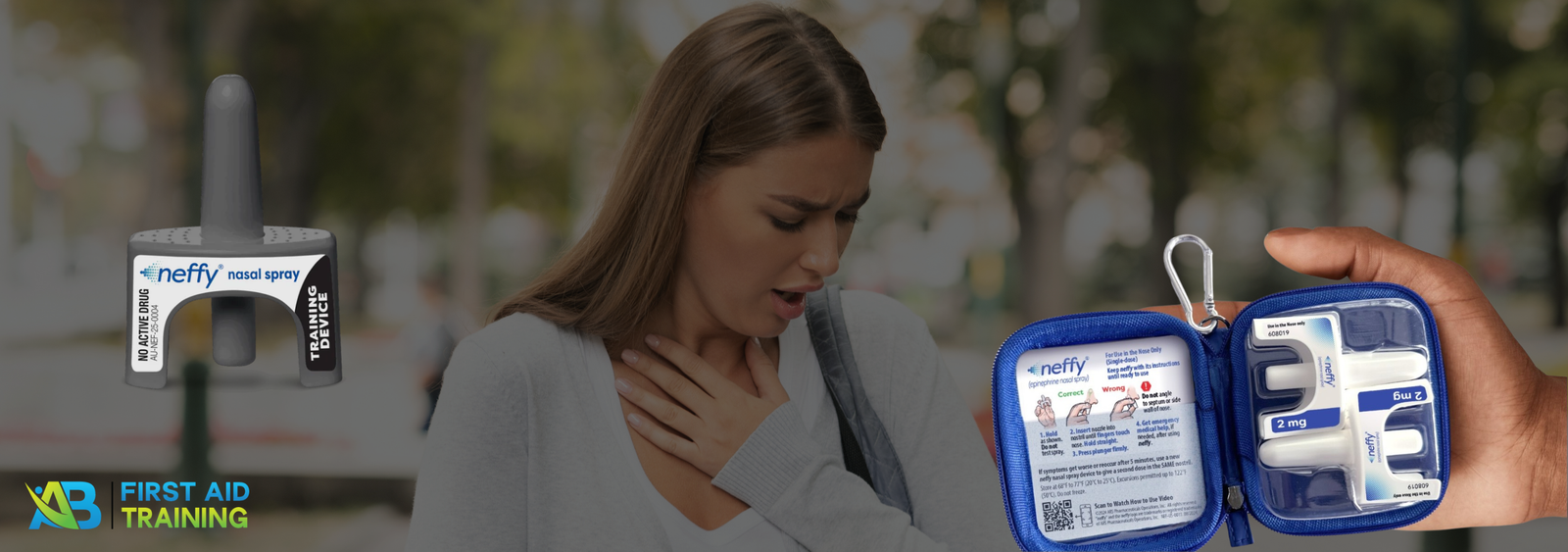
Running a childcare service in Australia means navigating a fair amount of regulation, and first aid is one area where the rules are clear — and the stakes are high. If you’re responsible for an early childhood service, understanding exactly what’s required under national law isn’t just good practice; it’s your legal obligation. Here’s a plain-language breakdown of what your service needs to know. The Legal Framework: National Law and National Regulations First aid requirements for education and care services are set out in the Education and Care Services National Law and the Education and Care Services National Regulations 2011. These are administered in Victoria by the Department of Education and regulated nationally through the Australian Children’s Education and Care Quality Authority (ACECQA). These laws apply to long day care, family day care, outside school hours care (OSHC), and preschool and kindergarten services. They’re not optional — failure to comply can result in formal notices, compliance directions, and in serious cases, suspension of service approval. How Many Trained Staff Do You Need? This is where services often have questions. Under Regulation 136, at least one educator with a current approved first aid qualification must be on the premises at all times the service is operating. For family day care, the educator providing care must hold the qualification themselves. ACECQA specifies that approved first aid qualifications must include: Services must also ensure that at least one person present holds current anaphylaxis management training and current emergency asthma management training. These are separate certifications and must be kept current independently of the main first aid qualification. What Does “Current” Actually Mean? This catches services out more often than you’d expect. A staff member might have completed first aid training several years ago — but if it’s outside the renewal period, it doesn’t count for compliance purposes. Some services try to get by with the absolute minimum — one trained person on-site at any given time. Practically speaking, this creates coverage gaps whenever that person is away, on a break, or unexpectedly absent. Having multiple trained staff across your team is both safer and smarter from an operational standpoint. First Aid Kits and Equipment Compliance isn’t just about people — your service also needs to maintain appropriate first aid equipment. Regulation 89 requires education and care services to have a first aid kit that is: ACECQA doesn’t prescribe the exact contents, but the Australian Resuscitation Council (ARC) and Safe Work Australia guidelines are the standard benchmarks. Your kit should include wound care supplies, gloves, a CPR face shield or mask, and a current first aid manual, among other items. If children enrolled at your service have a diagnosed allergy, you’ll also need to ensure prescribed adrenaline auto-injectors — such as EpiPen, Jext, or the newer Neffy nasal spray — are on-site and accessible, along with a current ASCIA Action Plan for each affected child. Policies, Procedures, and the National Quality Framework Compliance isn’t just about ticking off certificates. Under the National Quality Framework, services are expected to have clear, written first aid policies and procedures that are regularly reviewed and available to families. Quality Area 2 of the National Quality Standard — Children’s Health and Safety — requires services to demonstrate that health and safety practices are built into everyday operations, not just filed away in a folder. In practical terms, this means: Your service’s Authorised Supervisor is responsible for ensuring compliance is maintained, documentation is current, and staff training records are up to date and accessible. Common Compliance Gaps in Childcare Settings Working with childcare services across Victoria, a few issues come up repeatedly: Expired CPR certificates. Because CPR must be renewed annually — not every three years like the full first aid qualification — it’s easy for it to slip. Staff renew their first aid cert on time but don’t realise their CPR component has lapsed in the meantime. Relying on a single trained staff member. If your only first aid-qualified educator calls in sick or goes on leave, you may not be legally compliant to operate. Building training across your team removes this single point of failure. Out-of-date anaphylaxis action plans. ASCIA Action Plans should be reviewed annually and whenever a child’s medical management changes. An old plan in a child’s file isn’t a current plan — and it won’t serve them in an emergency. No accessible training records. Services need to demonstrate compliance during assessment and ratings visits. If you can’t produce records showing current certifications for your team, it creates problems — even if the training was completed. What to Do If You’re Not Sure Where Your Service Stands Start with an honest audit of your team’s training records. Check when each person’s first aid certificate, CPR, anaphylaxis training, and asthma training were completed — and when each one expires. Map that against your rosters to see where gaps might exist. If you’ve found gaps, they’re straightforward to fix. AB First Aid offers HLTAID012 Provide First Aid in an Education and Care Setting, designed specifically for childcare professionals. Our trainers understand the early childhood context — the scenarios, the language, the regulatory backdrop — and we work with services across the Tullamarine area and surrounds. Group bookings are available for services wanting to upskill multiple staff at once, and we can often accommodate training at your premises to reduce disruption to your operations. Stay Compliant, Stay Confident First aid compliance in childcare isn’t a once-and-done exercise. Certificates expire, staff change, and regulations are updated. The responsibility sits with you as an approved provider to keep your team trained, your records current, and your policies up to date. If your service is due for a refresh — or if you’re not confident your training records would hold up under scrutiny — now is a good time to act. Book your first aid training with AB First Aid in Tullamarine, or view the full course schedule and enrol online. Our team is ready to help your service stay safe,

June 1, 2026 / 0 Comments
read more

The Most Common First Aid Emergencies in Australian Schools — And Why Staff Need to Be Ready

Compliance

Schools are busy, unpredictable environments. On any given day, a staff member might be dealing with a student who’s had a fall in the playground, a child experiencing a severe allergic reaction in the classroom, or a colleague who collapses on yard duty. These aren’t rare or dramatic scenarios — they happen in schools across Victoria every week. And yet, many schools operate with first aid officers who completed their training years ago, or with a handful of staff who aren’t confident they’d know what to do in a real emergency. That’s a gap worth closing. This post covers the most common first aid risks in Australian school settings — why they happen, what makes them particularly challenging in a school context, and what staff can do to be genuinely prepared. Playground Injuries: The Most Frequent Call Falls, collisions, and playground-related injuries are the bread and butter of school first aid. According to Safe Work Australia, children in educational settings experience a high volume of minor to moderate injuries from physical activity — many of which occur in unstructured play environments. The challenge isn’t just knowing how to respond — it’s recognising the difference between a minor bump and a head injury that warrants calling an ambulance. Concussion management in children has also become increasingly important, with DET Victoria guidelines requiring schools to have a clear return-to-learn protocol for students who’ve experienced a head knock. Anaphylaxis: High Stakes, Zero Margin for Error Anaphylaxis is one of the most time-critical first aid emergencies in any setting — and schools are particularly high-risk environments because of the number of children with known and unknown allergies interacting daily. ASCIA (the Australasian Society of Clinical Immunology and Allergy) estimates that food allergy affects around one in ten infants and one in twenty adults in Australia. In a school of several hundred students, statistically there will be multiple children at risk of anaphylaxis at any time. DET Victoria requires all government schools to have an anaphylaxis management policy in place, and staff in direct contact with students who have anaphylaxis risk should hold current anaphylaxis training. The key challenge schools face is not just having an adrenaline auto-injector (EpiPen) available — it’s ensuring staff know when and how to use it, and that they practise doing so regularly enough to act confidently under pressure. Asthma Attacks: Common but Underestimated Asthma is one of the most common chronic conditions in Australian children. Asthma Australia reports that approximately one in nine Australians has asthma, and it remains a leading cause of childhood hospitalisation. In schools, asthma attacks can be triggered by physical activity, cold air, allergens, or stress — all of which are everyday features of school life. Many staff feel comfortable handing over a reliever puffer, but fewer are confident managing a student whose asthma isn’t responding, recognising the signs of a severe attack, or knowing when to call 000. The four-step asthma first aid process recommended by the National Asthma Council Australia is straightforward, but it needs to be practised — reading a poster in the staffroom in the middle of an emergency is not the same as having done the training. Seizures: Frightening for Everyone Present Epilepsy and other seizure disorders affect a significant number of school-aged children. For staff who haven’t seen a seizure before, the experience can be frightening — and the instinct to intervene in the wrong way (such as putting something in the person’s mouth) can do more harm than good. Proper first aid for seizures focuses on protecting the person from injury, timing the seizure, placing them in the recovery position once it stops, and knowing when to call an ambulance (generally when a seizure lasts more than five minutes, or the person doesn’t regain consciousness). For students with a known seizure disorder, their individual management plan will guide the response — but staff need to be familiar with it before an event occurs, not during one. Mental Health Crises: A Growing Reality First aid isn’t only physical. Schools are increasingly dealing with students experiencing mental health crises — panic attacks, acute anxiety, or situations involving self-harm. While this falls partly into the realm of school counsellors and wellbeing teams, frontline staff benefit from having Mental Health First Aid skills to recognise when a student is struggling and respond in a supportive, appropriate way while professional help is arranged. DET Victoria’s Framework for Improving Student Outcomes (FISO) recognises student mental health and wellbeing as a priority, and many schools are now supplementing standard first aid training with Mental Health First Aid (MHFA) certification for key staff. Staff Incidents: Don’t Forget the Adults First aid preparedness in schools isn’t just about student welfare. Staff are also at risk — from soft tissue injuries during yard duty or sport, to medical episodes like cardiac events. WorkSafe Victoria requires all Victorian employers, including schools, to ensure adequate first aid provision for their workers, including an appropriate number of trained first aiders and accessible first aid kits. Cardiac arrest is a particular concern for adult staff — it can happen without warning, and survival rates drop significantly for every minute without CPR and defibrillation. Schools with an automated external defibrillator (AED) on site are far better placed to respond, and the Australian Resuscitation Council (ARC) recommends that staff with access to an AED know how to use it. Why Compliance Alone Isn’t Enough Meeting the minimum regulatory requirements is a starting point — not a destination. Under DET Victoria guidelines, schools must ensure they have staff who hold current first aid qualifications, with specific obligations around anaphylaxis management. But ticking a compliance box and building genuine first aid capability are two different things. Staff who practise their skills regularly, understand the specific risks in their school, and feel confident responding to a real emergency are far more effective than those who completed a course three years ago and haven’t thought about it since. Regular refreshers, scenario-based training, and site-specific drills all make

June 1, 2026 / 0 Comments
read more

Posts pagination

Previous 1 2 3